 WorldHunger.fund



Latest Articles

Are Faith-Based Hunger Organizations More Effective Than Secular Ones?
Awareness
Faith-based hunger organizations often excel at community trust, local access, and volunteer mobilization—especially in deeply religious regions of sub-Saharan Africa and South Asia. Secular NGOs...
Read More →

Best Charities to Donate to for World Hunger That Have Low Overhead Costs
Solutions
The most financially efficient world hunger charities direct 80–92% of donations directly to programs. Organizations consistently rated highly for low overhead include Action Against Hunger,...
Read More →
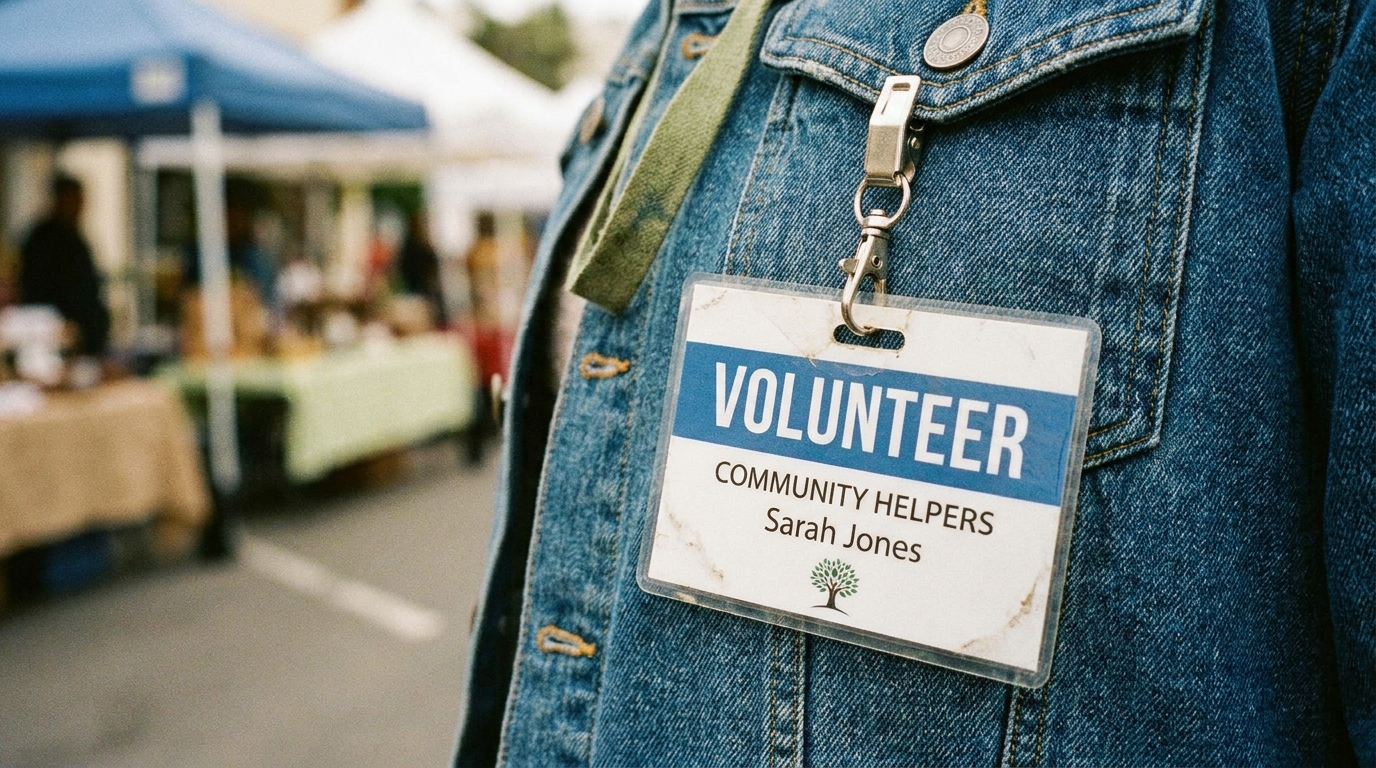
Beyond the Donation Button: 10 Meaningful Ways to Fight World Hunger Today
Solutions
Fighting world hunger doesn't require wealth—it requires engagement. Beyond donating, you can volunteer at a local food bank, organize a workplace fundraiser, contact your representatives...
Read More →

Can One Person's Donation Really Make a Difference Against World Hunger?
Awareness
Absolutely. A single $30 donation can feed a family for a month in many low-income countries. When thousands of donors contribute monthly, that collective giving...
Read More →

Emergency Food Aid vs. Long-Term Development: Why Hunger Charities Need Both
Solutions
Emergency food aid stops people from dying today; long-term development prevents hunger tomorrow. The most effective hunger organizations operate both simultaneously—delivering crisis relief to famine...
Read More →

From Crisis to Community: How Outreach Centers Change Everything in Impoverished Regions
Awareness
A well-designed outreach center does far more than serve meals—it becomes a school, a resource facility, a medical access point, a gathering place, and a...
Read More →

How Can I Volunteer to Fight World Hunger Without Traveling Abroad?
Solutions
You don't need a passport to fight world hunger. Volunteer locally at food banks or community kitchens, organize fundraisers at your school or workplace, advocate...
Read More →
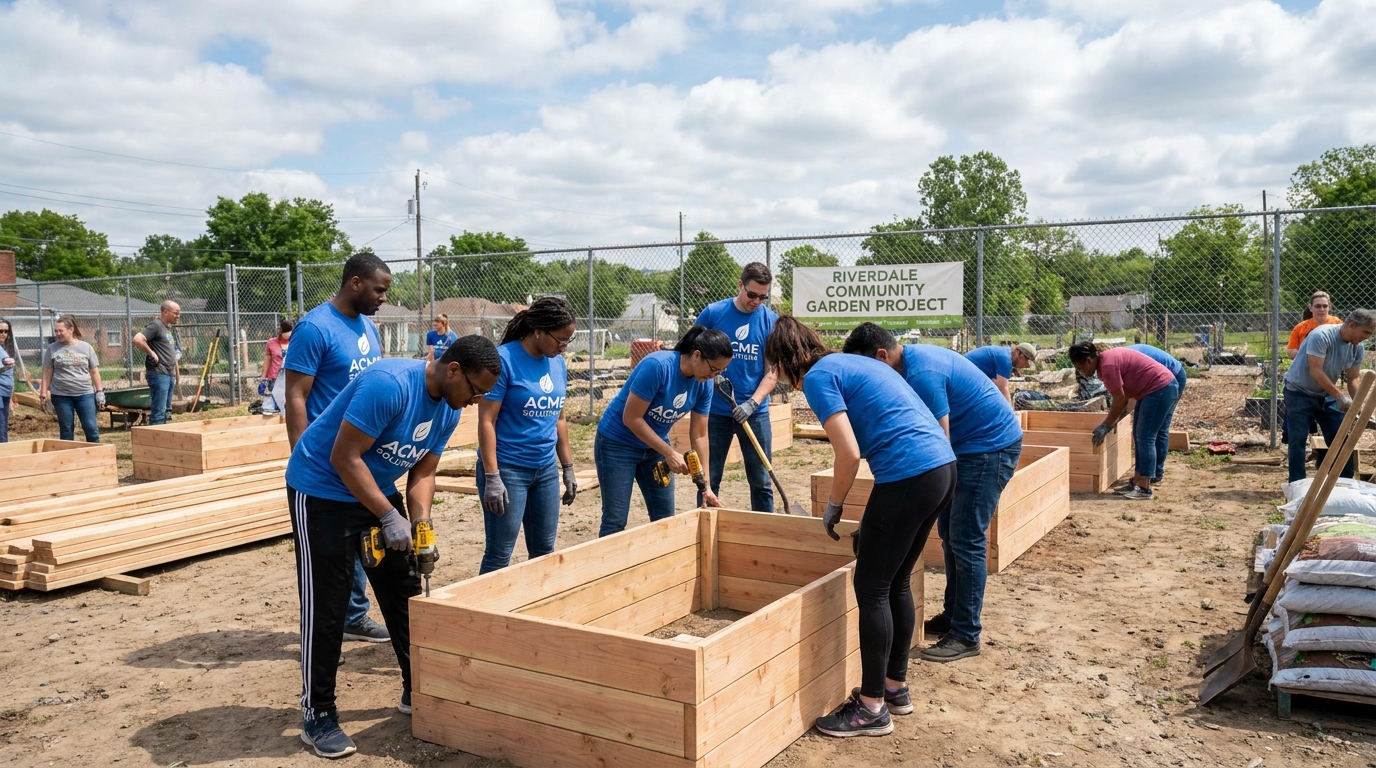
How Corporate Sponsorships of Humanitarian Projects Create Lasting Community Impact
Solutions
Corporate project sponsorships go beyond writing a check—they fund specific, trackable humanitarian initiatives like outreach centers, school buildings, agricultural programs, or clean water wells in...
Read More →

How Digging Wells in Developing Countries Reduces Hunger and Child Mortality
Solutions
Clean water access is inseparable from food security. Without it, crops fail from insufficient irrigation, food preparation becomes unsafe, children suffer waterborne diseases that cause...
Read More →

How Do Hunger Nonprofits Decide Which Countries or Communities to Help First?
Awareness
Hunger nonprofits use a combination of food insecurity indices, malnutrition data from WHO and UN agencies, existing partner relationships, and on-the-ground assessments to prioritize communities....
Read More →

How Do I Know If a Hunger Charity Is Actually Legitimate?
Solutions
To verify a hunger charity's legitimacy, check its ratings on Charity Navigator, GuideStar, or the Better Business Bureau's Wise Giving Alliance. Look for audited financial...
Read More →
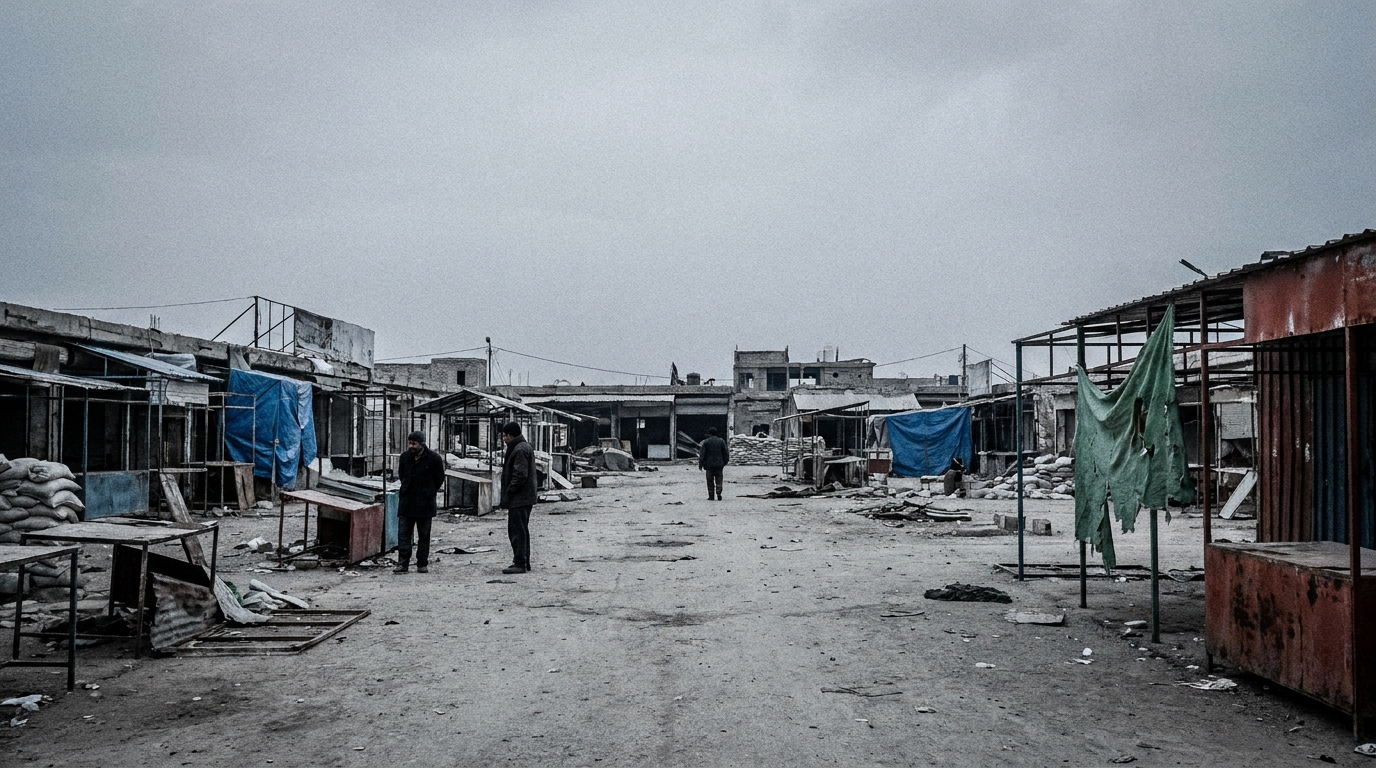
How Do War and Political Conflict Turn Food Shortages into Famine?
Stats
Armed conflict destroys famine conditions by disrupting supply chains, displacing farming populations, blocking humanitarian aid corridors, and deliberately targeting food infrastructure. In Sudan and Gaza—both...
Read More →
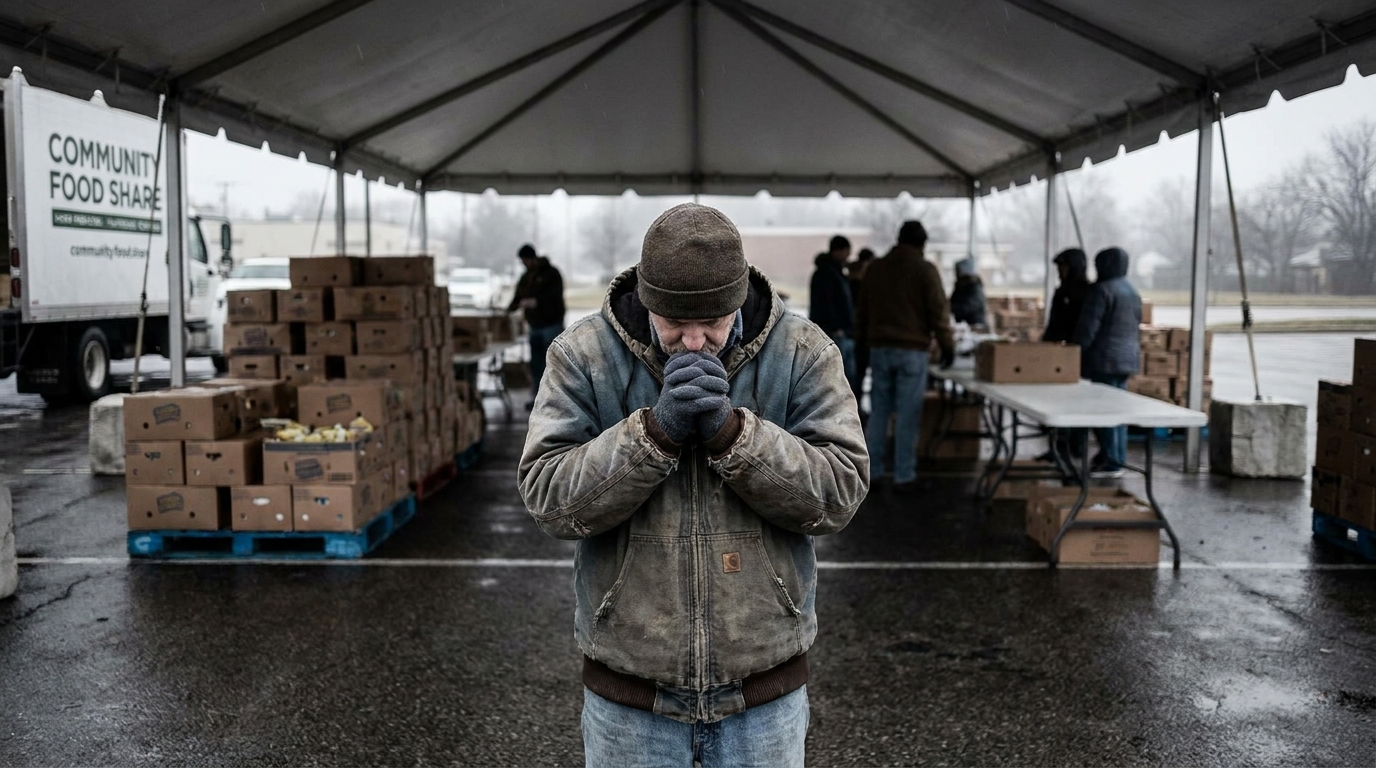
How Faith and Community Values Drive the Mission of Hunger Relief Nonprofits
Awareness
Many of the world's most effective hunger relief organizations—including World Hunger Fund—were founded on deep moral and spiritual convictions about human dignity and the obligation...
Read More →
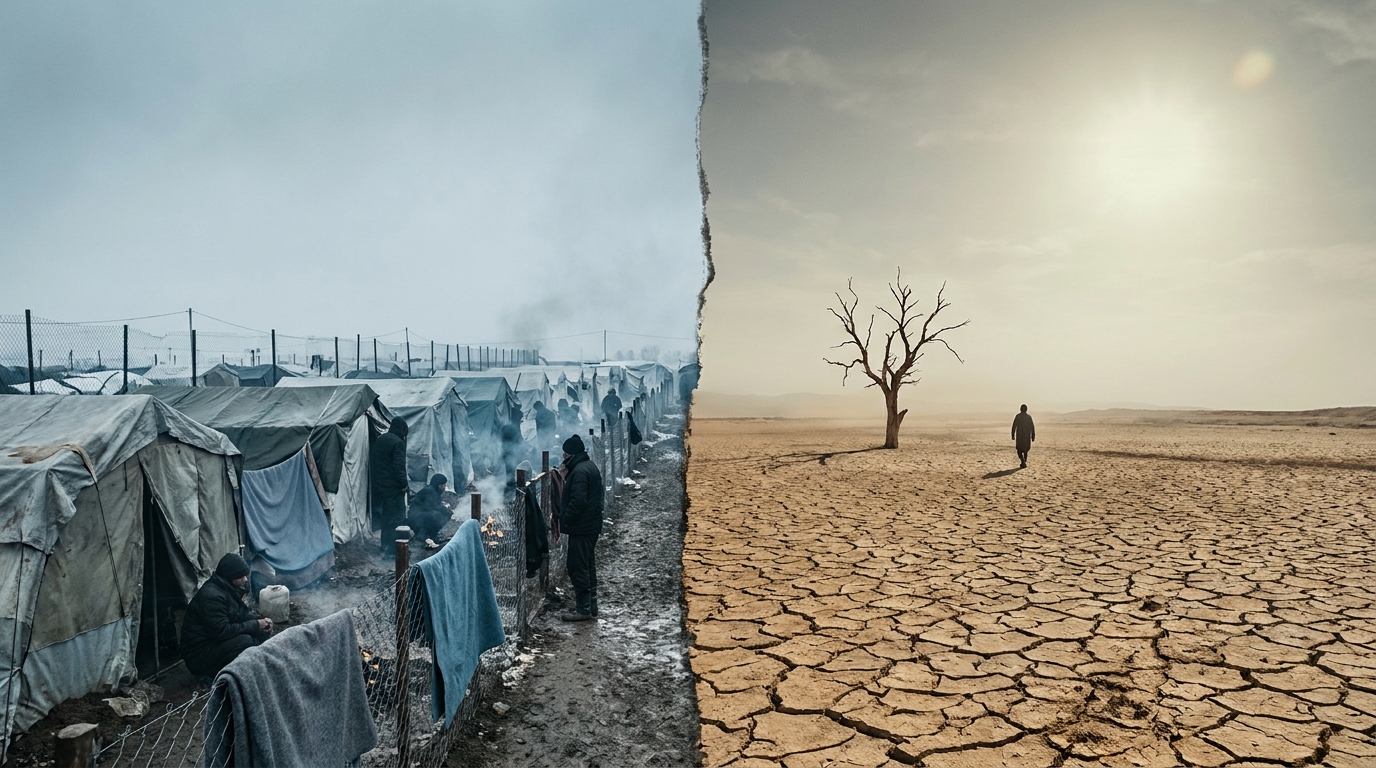
How Hunger in War-Torn Countries Differs from Hunger Caused by Drought or Poverty
Stats
Conflict-driven hunger is characterized by deliberate infrastructure destruction, blocked aid access, and mass displacement—requiring rapid emergency response and diplomatic pressure. Drought-caused hunger stems from climate...
Read More →

How International Hunger Relief Organizations Work With Local Communities
Solutions
The most effective international hunger relief organizations operate through trusted local leaders—village elders, community ministers, and regional officials—who understand the cultural context and have earned...
Read More →

How Much of My Donation Actually Goes to Feeding People?
Solutions
For well-run hunger charities, 75–90 cents of every donated dollar goes directly to programs. Overhead—covering administration, fundraising, and operations—is unavoidable and even necessary for impact....
Read More →

How Small NGOs Working in Remote Villages Are Outperforming Larger Aid Organizations
Solutions
Small NGOs operating in remote communities often outperform large agencies because they work through trusted local relationships, employ people from within the communities they serve,...
Read More →
How Starvation Became the World's Most Preventable Tragedy—and What We're Doing About It
Awareness
Starvation kills more people than all wars, natural disasters, and violent crime combined—yet the world produces more than enough food for every person alive. The...
Read More →

How to Donate to Hunger Relief Charities and Get a Tax Deduction
Solutions
Donations to IRS-recognized 501(c)(3) hunger relief charities are tax-deductible in the United States. To claim the deduction, itemize on Schedule A of your tax return...
Read More →

How to Sponsor a Humanitarian Project in a Developing Country as an Individual or Business
Solutions
Sponsoring a humanitarian project means funding a specific initiative—an outreach center, a school, a well, or an agricultural program—in a developing country. World Hunger Fund...
Read More →

How to Start a Fundraiser for World Hunger at Your School or Workplace
Solutions
Starting a world hunger fundraiser begins with choosing a vetted NGO to direct proceeds to, setting a specific goal, and selecting a format—bake sale, 5K,...
Read More →

Inside the Life-Changing Work of Local Leaders in World Hunger Relief
Awareness
Behind every successful hunger relief program is a local leader—a village pastor, a regional minister, a community elder—who earned deep trust long before any NGO...
Read More →
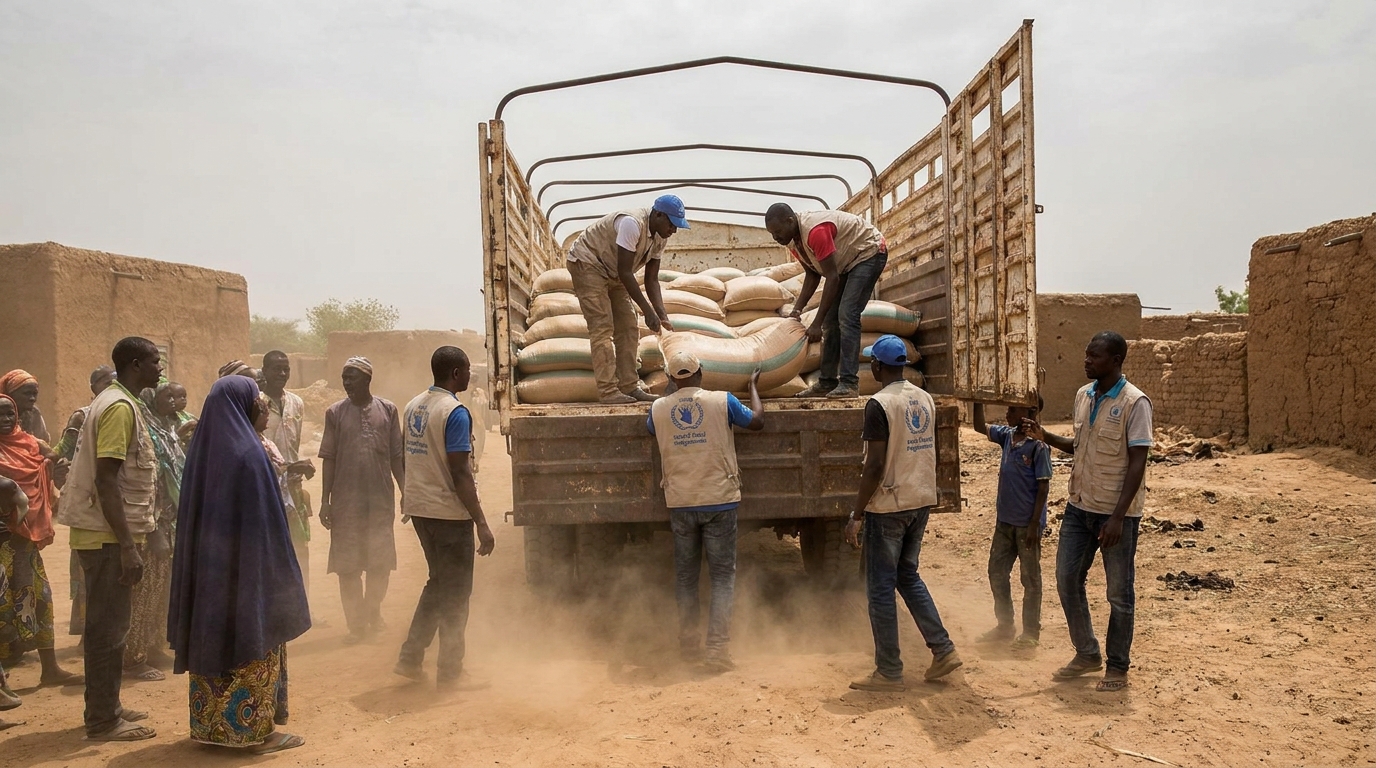
Is Giving Food Aid Actually Helpful, or Does It Hurt Local Economies?
Awareness
Short-term food aid is essential during acute crises—famines, disasters, conflict—but can undermine local agricultural markets if continued too long. The most effective hunger relief organizations...
Read More →

Is It Actually Possible to End World Hunger in Our Lifetime?
Awareness
Yes—ending world hunger is achievable, but it requires more than food production. The world already grows enough food to feed everyone. What's missing is equitable...
Read More →

Long-Term Solutions to World Hunger That Go Beyond Food Distribution
Solutions
Long-term world hunger solutions include building agricultural infrastructure, drilling clean water wells, establishing outreach centers and schools, training local farmers in modern techniques, and empowering...
Read More →

Orphan Feeding Programs in Uganda: What Real Support Looks Like on the Ground
Awareness
World Hunger Fund's outreach center in western Uganda provides daily meals, education, and care for street children and disadvantaged youth. Unlike short-term aid drops, this...
Read More →
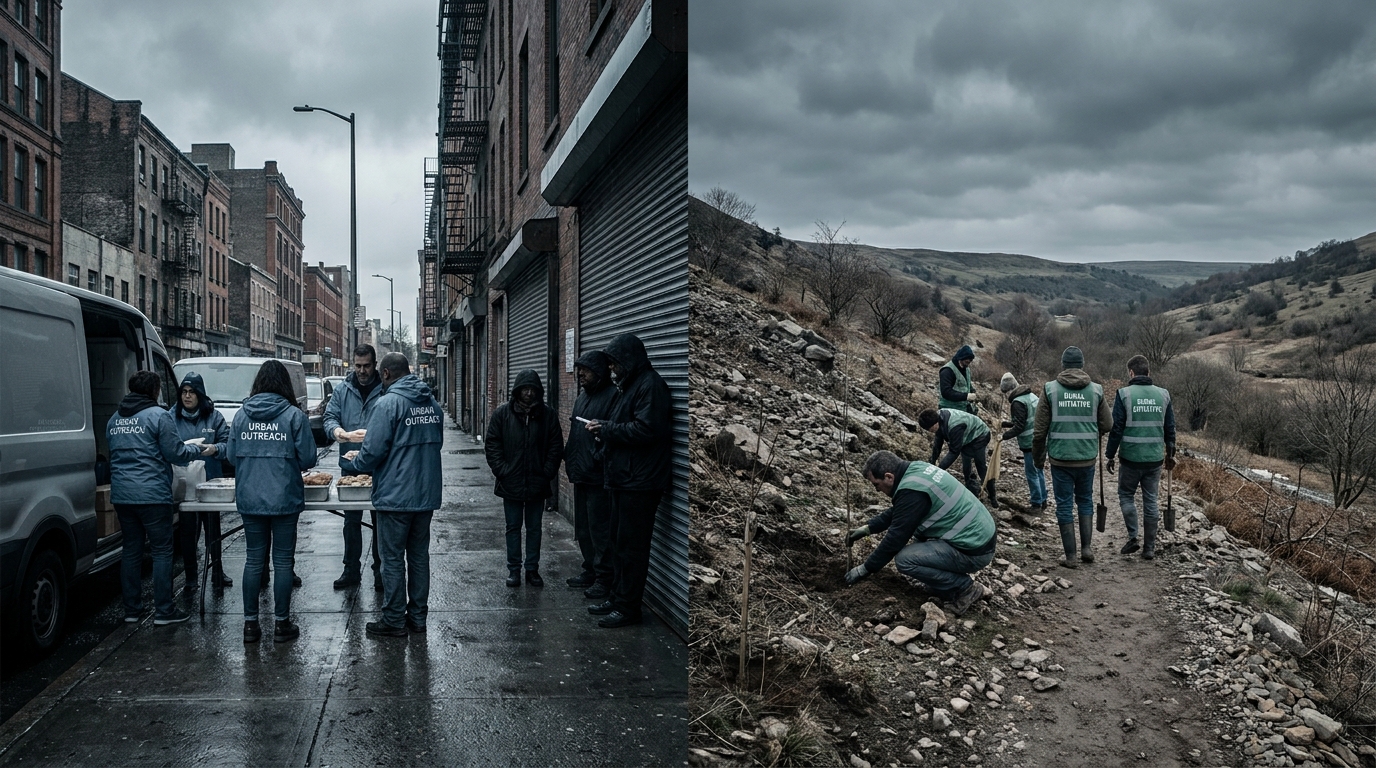
Poverty Alleviation Charity vs. Hunger Relief Fund: Which Type of Nonprofit Has More Impact?
Solutions
Hunger relief funds address acute food insecurity with speed—delivering meals and emergency rations to those in immediate need. Poverty alleviation charities target the economic root...
Read More →
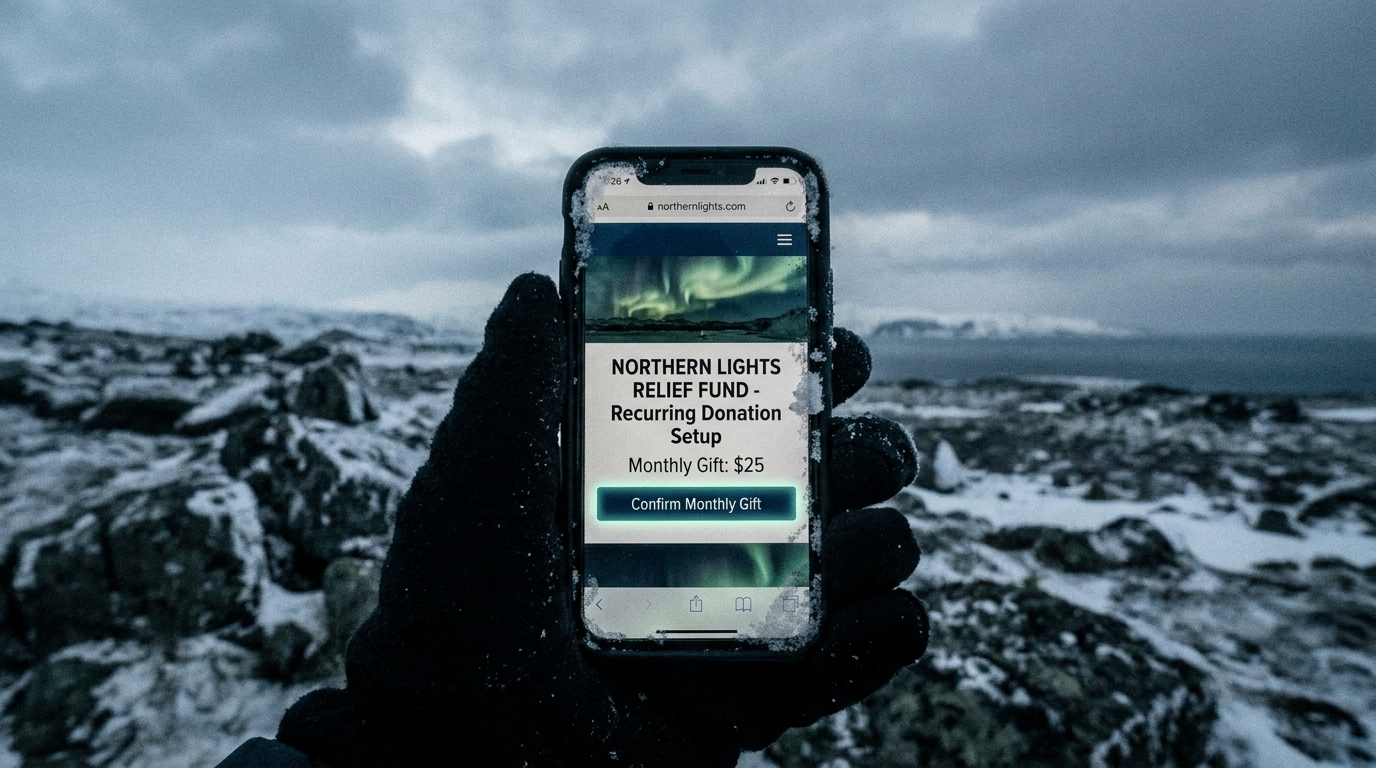
Should I Give Monthly or Make a One-Time Donation to a Hunger Charity?
Solutions
Monthly giving is almost always more impactful than one-time donations. Recurring gifts allow hunger organizations to plan long-term programs, retain field staff, sustain outreach centers,...
Read More →
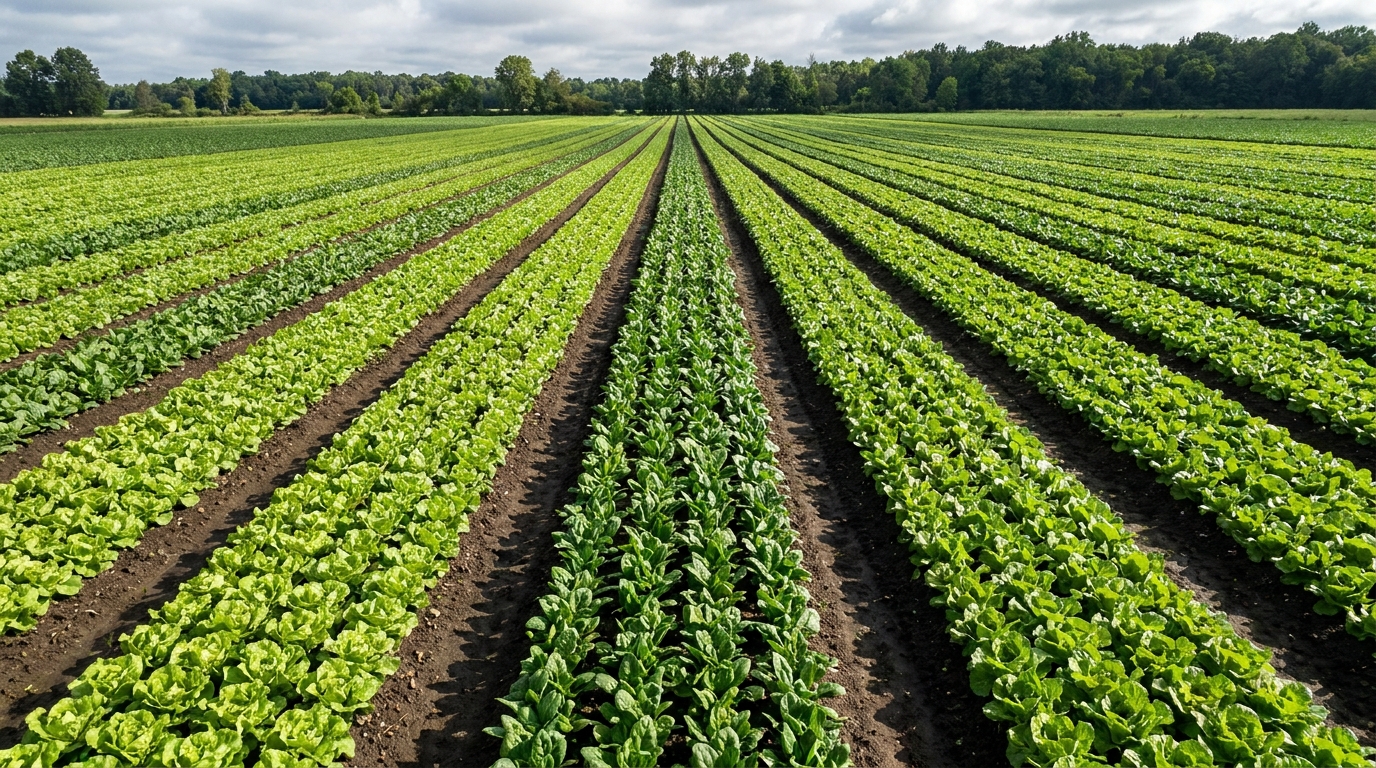
Sustainable Agricultural Development Programs for Poverty Alleviation in Sub-Saharan Africa
Solutions
Sustainable agricultural development programs in sub-Saharan Africa introduce drought-resistant crops, modern irrigation, soil health training, and cooperative market access to smallholder farmers. These programs—deployed by...
Read More →
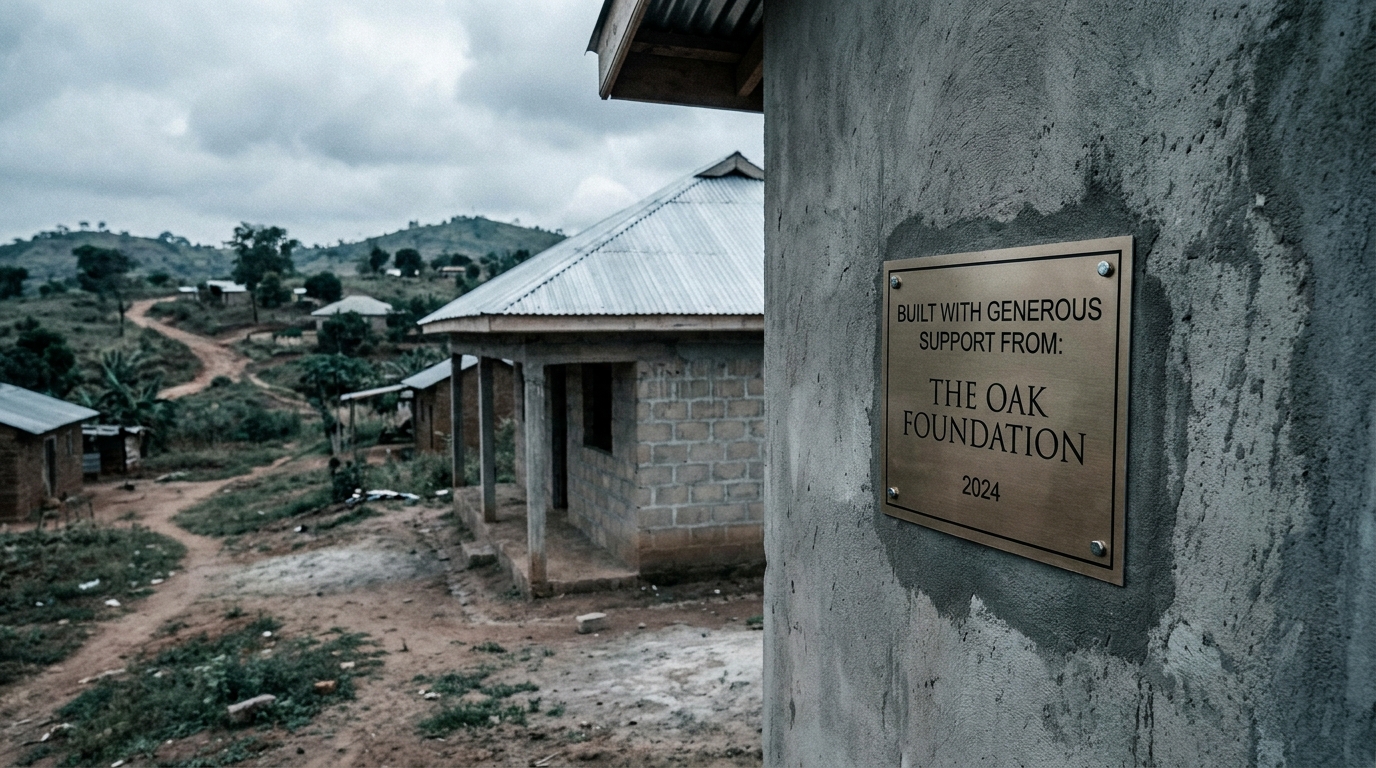
The Case for Sponsoring a Humanitarian Project Instead of Just Making a Donation
Solutions
Project sponsorships direct your funds to a specific, named initiative—an outreach center, a school building, a well, or a feeding program—giving you documented proof of...
Read More →
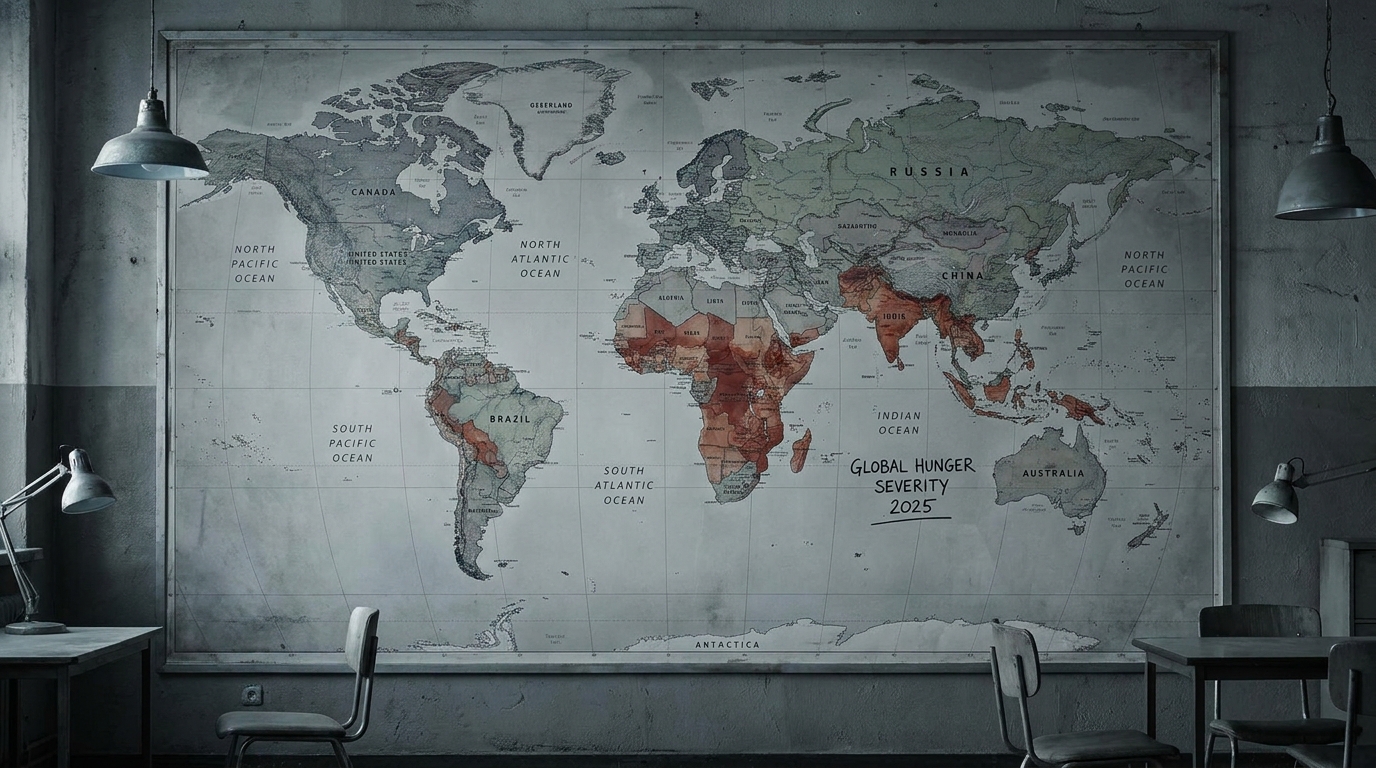
The Countries Where Hunger Is Most Severe Right Now—and What's Being Done About It
Stats
As of 2025, the most severely hunger-affected countries include Sudan, South Sudan, Gaza, Yemen, Somalia, Haiti, and the Democratic Republic of Congo—all experiencing famine conditions...
Read More →

The Hidden Connection Between Hunger, Education, and Economic Growth
Stats
Hunger and poverty are self-reinforcing: hungry children can't learn, uneducated adults can't earn, and low-income families can't afford food. Breaking this cycle requires simultaneous investment...
Read More →
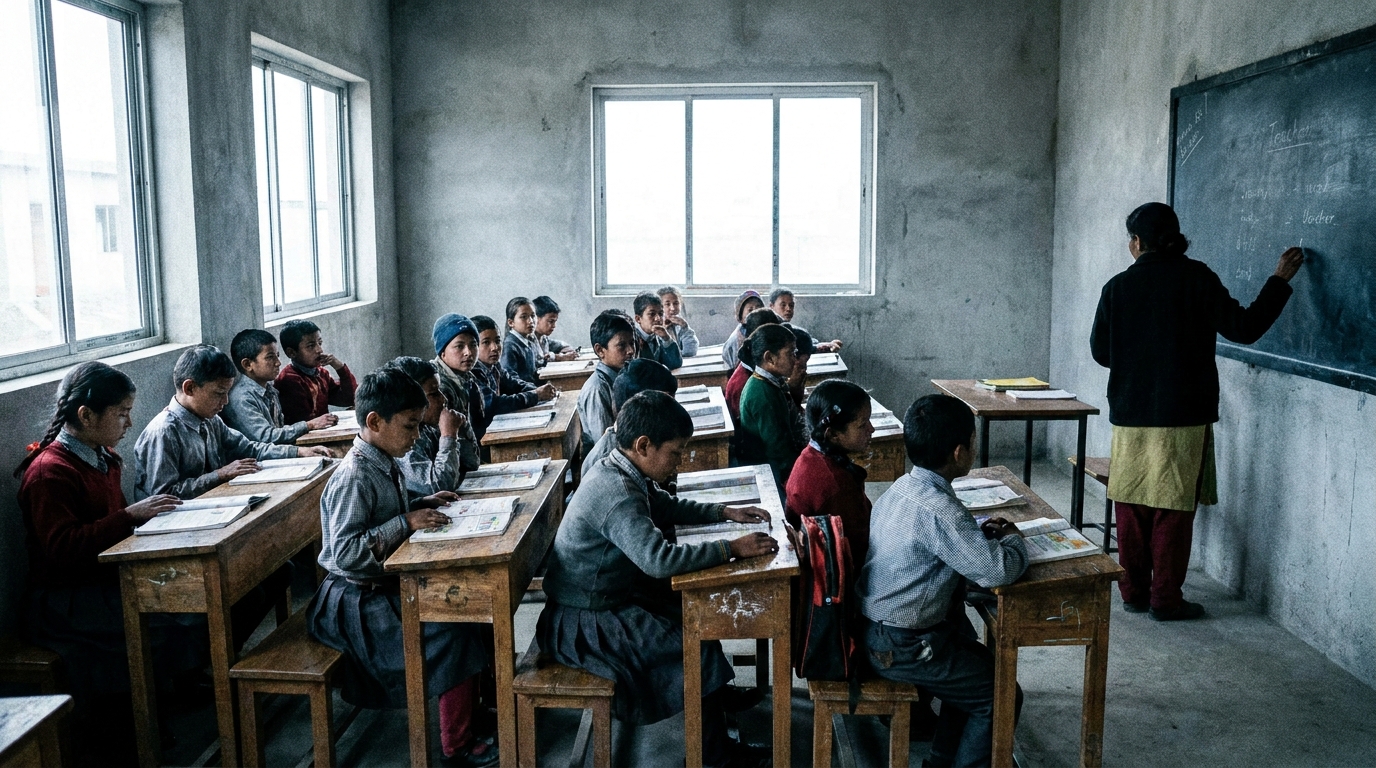
The Role of Education in Breaking the Cycle of Poverty and Hunger in Developing Nations
Solutions
Education is one of the most powerful long-term tools against hunger. Educated children—especially girls—grow up with higher earning potential, smaller family sizes, better nutritional knowledge,...
Read More →

What Are the Root Causes of World Hunger—and Why Are They So Hard to Fix?
Stats
World hunger's root causes include poverty, armed conflict, climate-driven crop failure, gender inequality, broken land tenure systems, lack of agricultural technology, and unjust trade policies....
Read More →
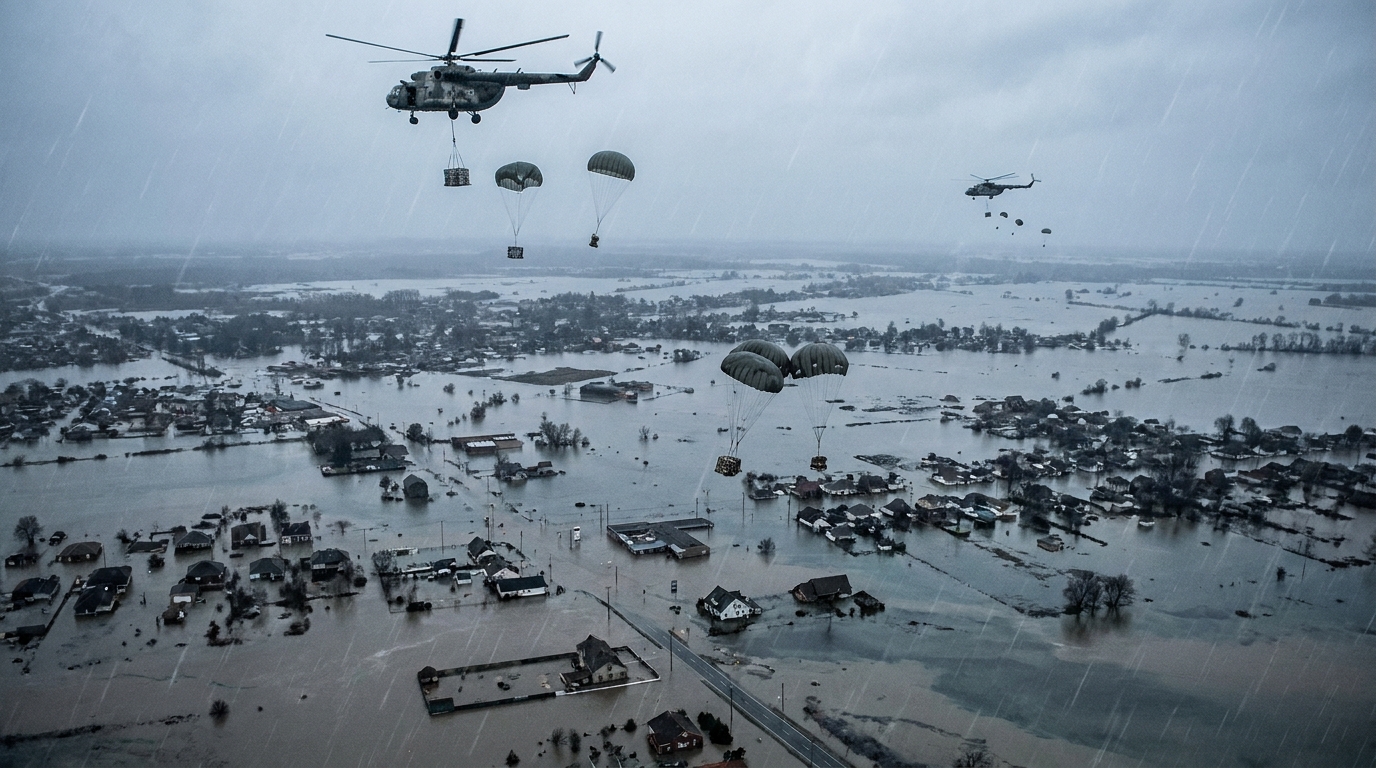
What Happens After a Natural Disaster? How Hunger Relief Organizations Respond
Solutions
In the hours after a natural disaster, hunger relief organizations activate emergency response protocols—assessing need, mobilizing food stockpiles, coordinating logistics with local authorities, and deploying...
Read More →
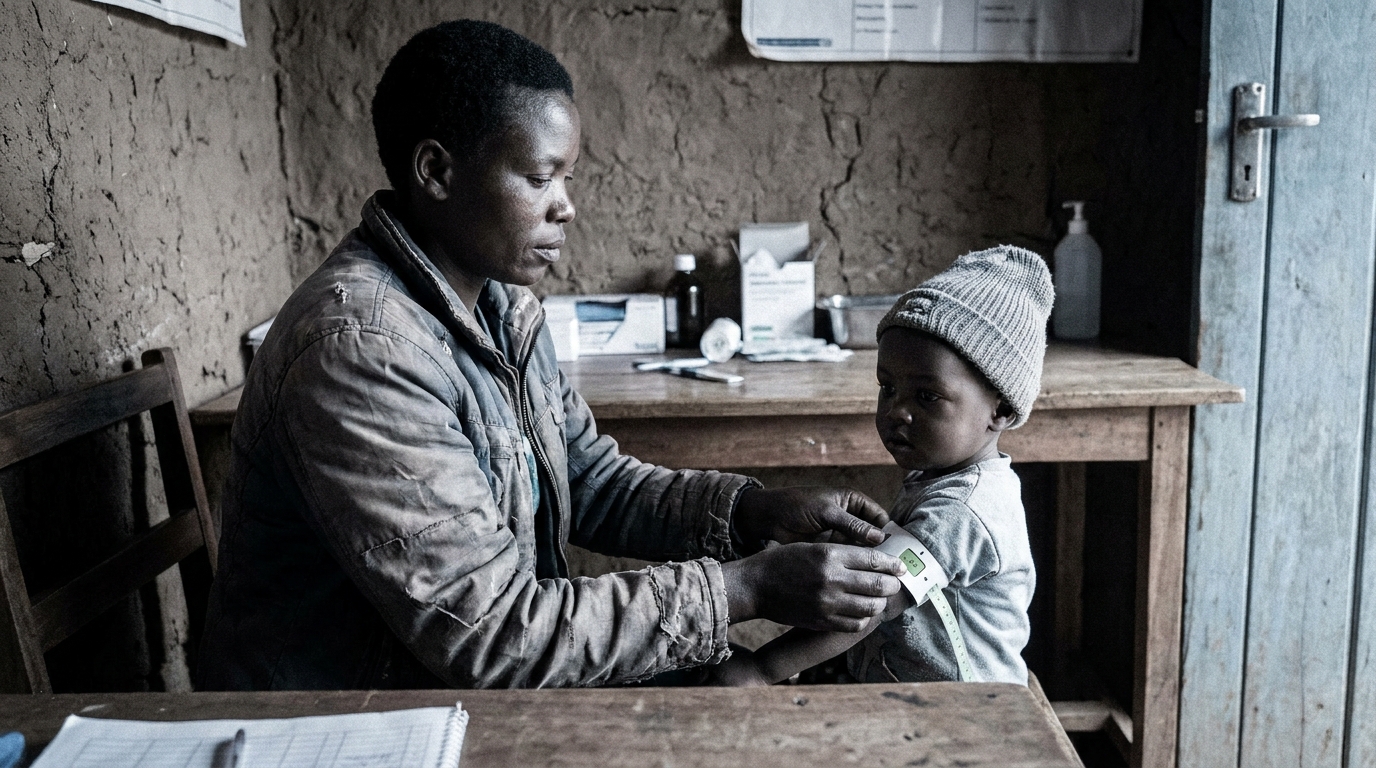
What Happens to Children Who Grow Up Malnourished?
Stats
Childhood malnutrition causes irreversible cognitive and physical damage during the first 1,000 days of life. Children who experience chronic hunger suffer stunted growth, weakened immune...
Read More →

What Is Food Insecurity—and Is It Different from Hunger?
Awareness
Food insecurity refers to uncertain or inadequate access to enough safe, nutritious food—it's broader than hunger and exists on a spectrum. Hunger describes the acute...
Read More →
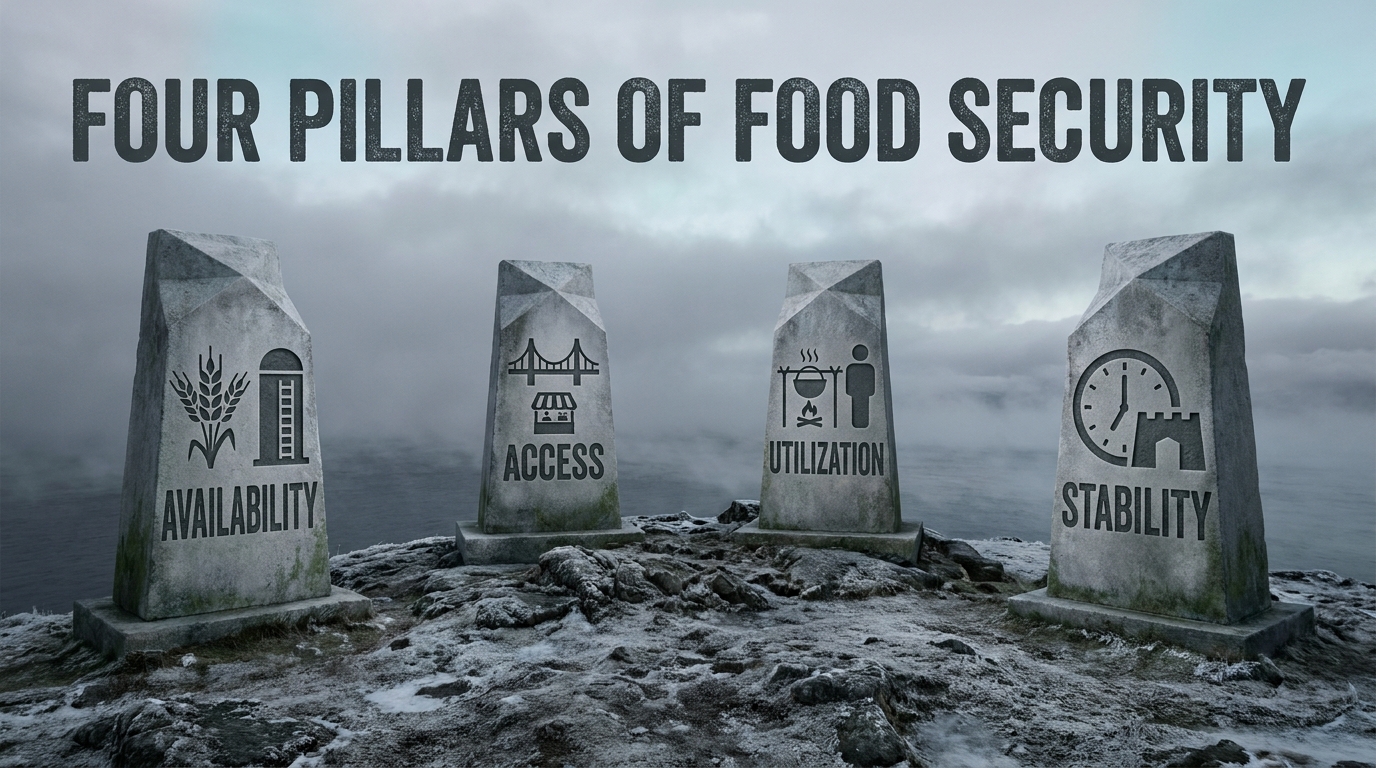
What Is Food Security and How Do Developing Nations Achieve It?
Awareness
Food security exists when all people have consistent physical and economic access to sufficient, safe, and nutritious food. The four pillars are availability (enough food...
Read More →
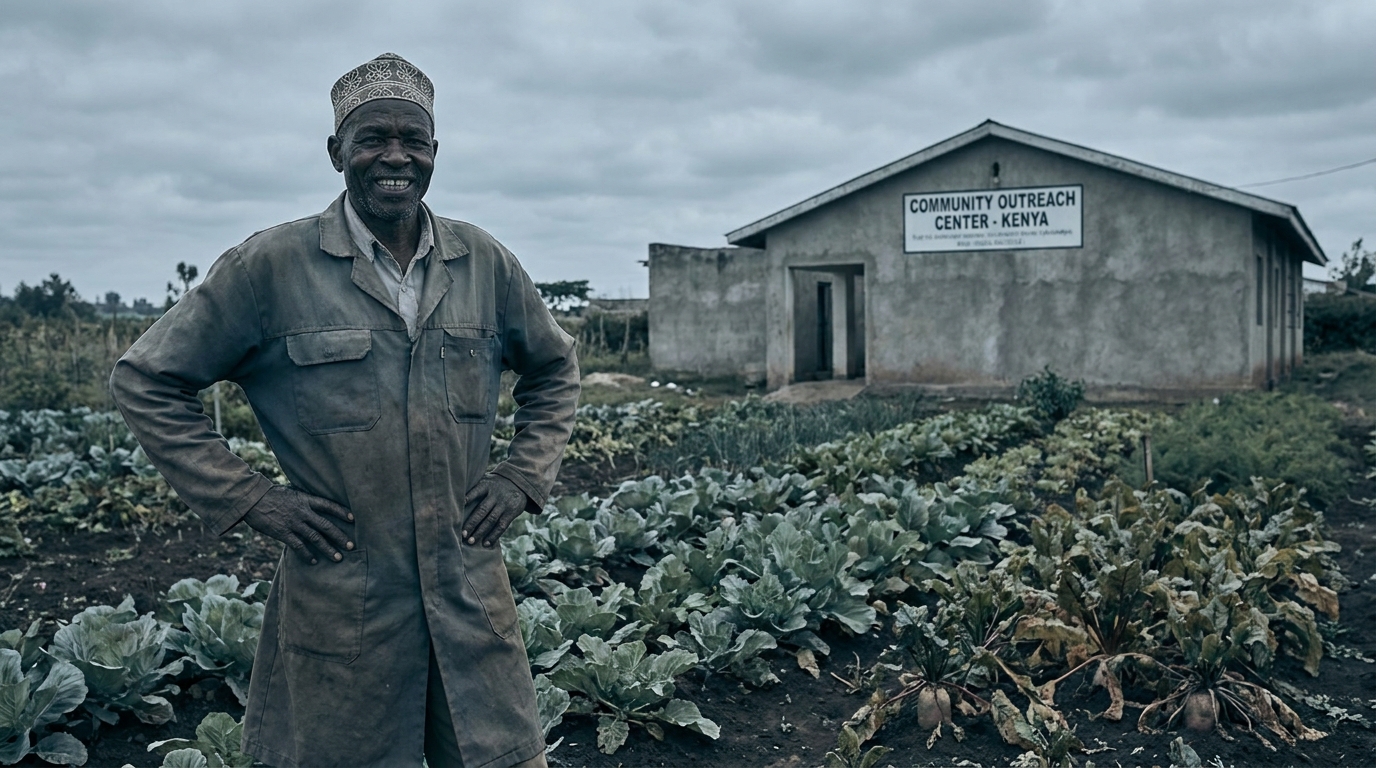
What Is Sustainable Development and Why Do Hunger Charities Keep Talking About It?
Awareness
Sustainable development means building the economic, agricultural, and social infrastructure that allows communities to meet their own needs permanently—without ongoing outside aid. For hunger charities,...
Read More →
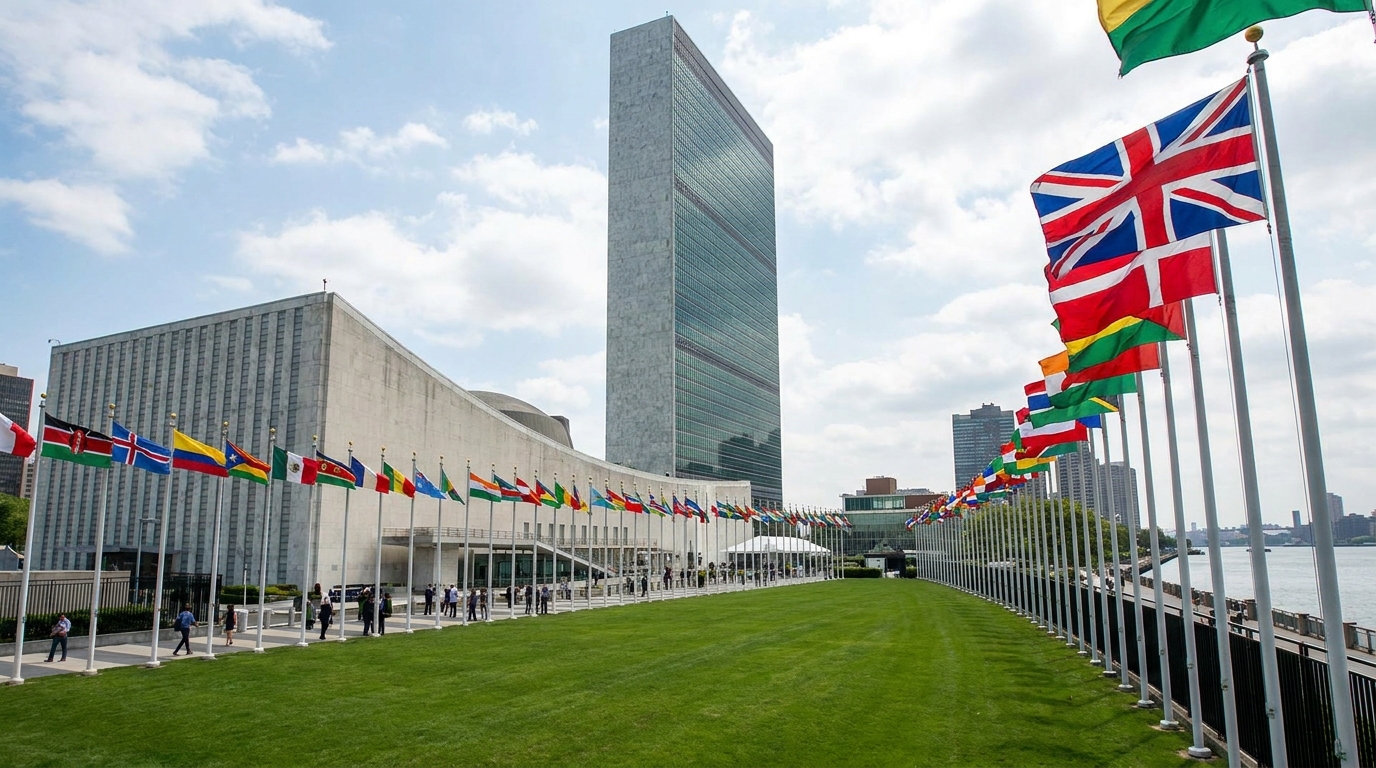
What Is the UN's Zero Hunger Goal and Are We on Track to Achieve It?
Stats
The UN's Sustainable Development Goal 2 (SDG 2) aims to end all forms of hunger and malnutrition by 2030. As of 2025, the world is...
Read More →
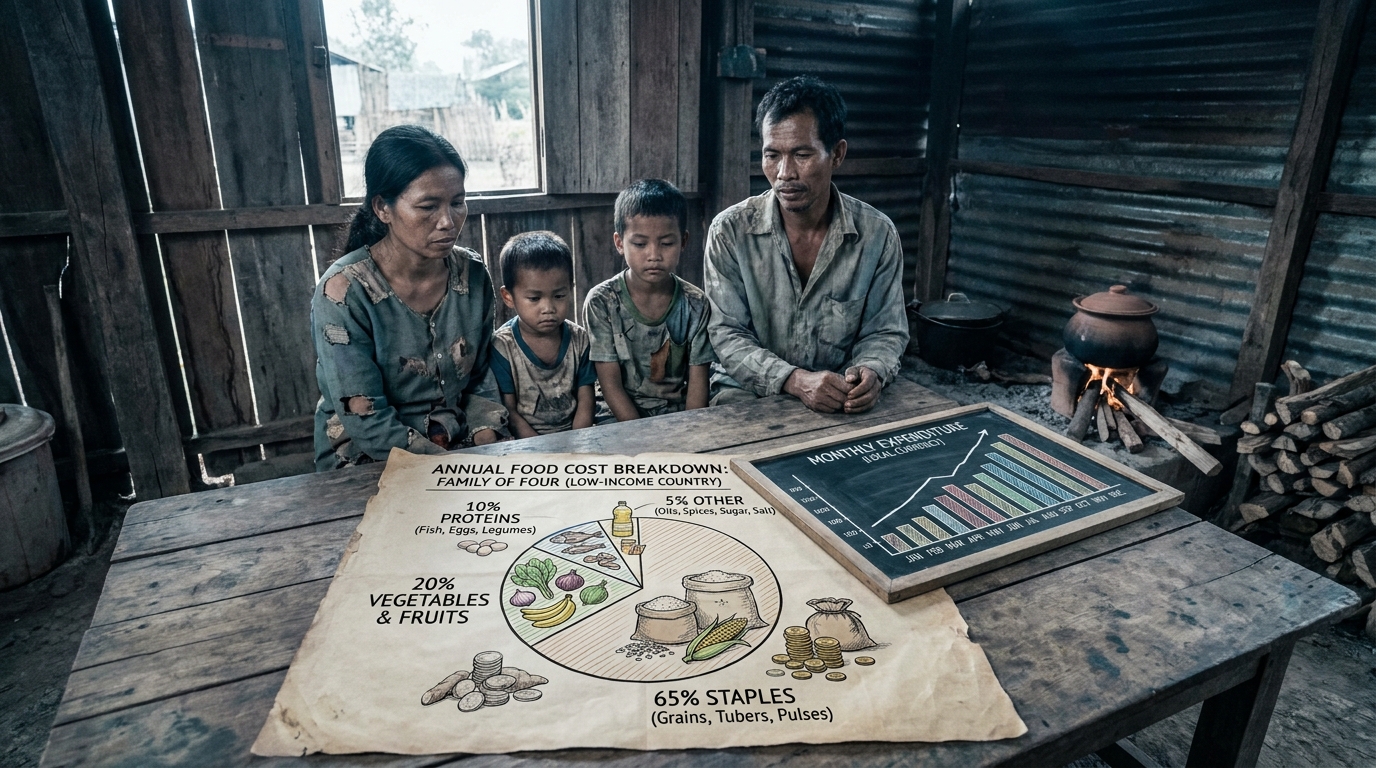
What It Really Costs to Feed a Family for a Year in the World's Poorest Countries
Stats
In the world's least-developed nations, feeding a family of four for an entire year can cost as little as $200–$400—a fraction of what the same...
Read More →
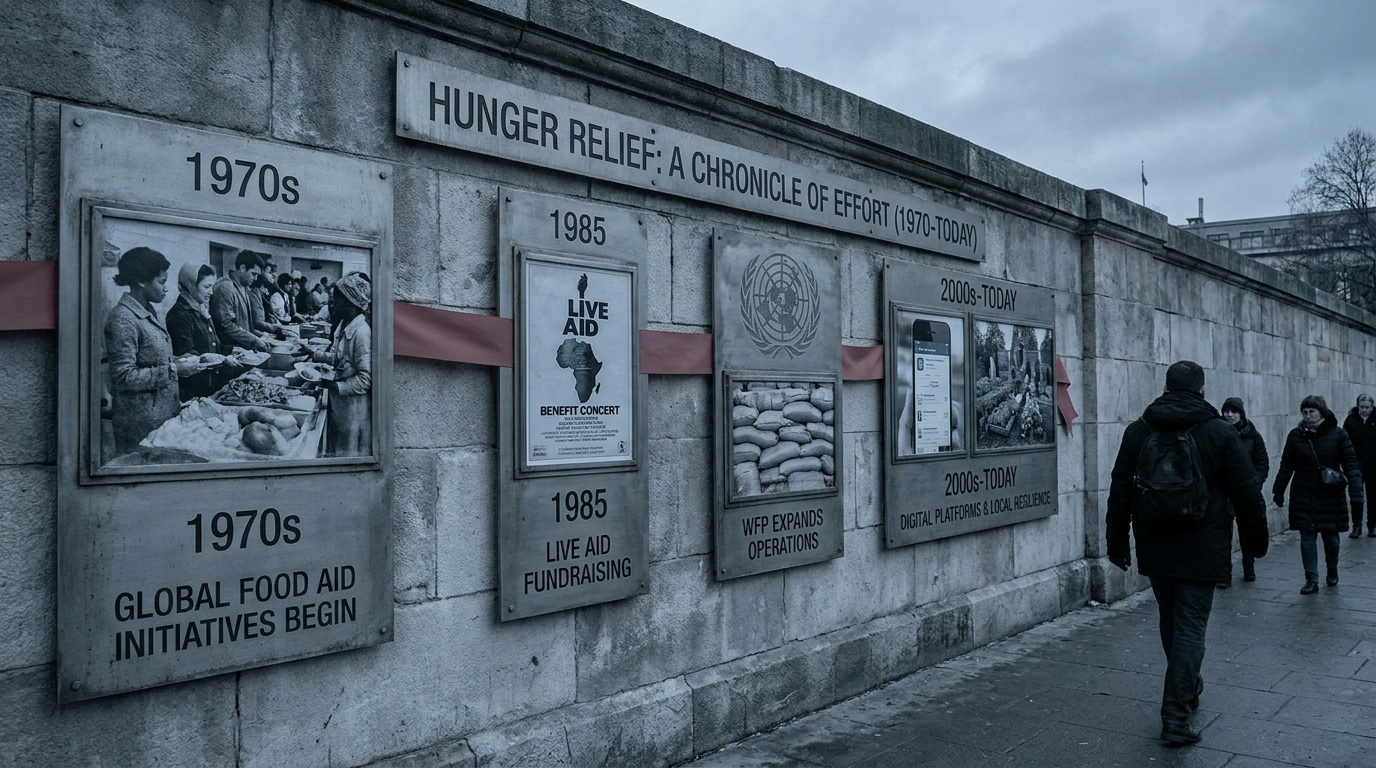
What We've Learned About Fighting Hunger: Lessons from 50 Years of Global Aid
Solutions
Five decades of global hunger relief have taught the humanitarian world hard, invaluable lessons: food drops alone create dependency, local relationships are essential, women's empowerment...
Read More →
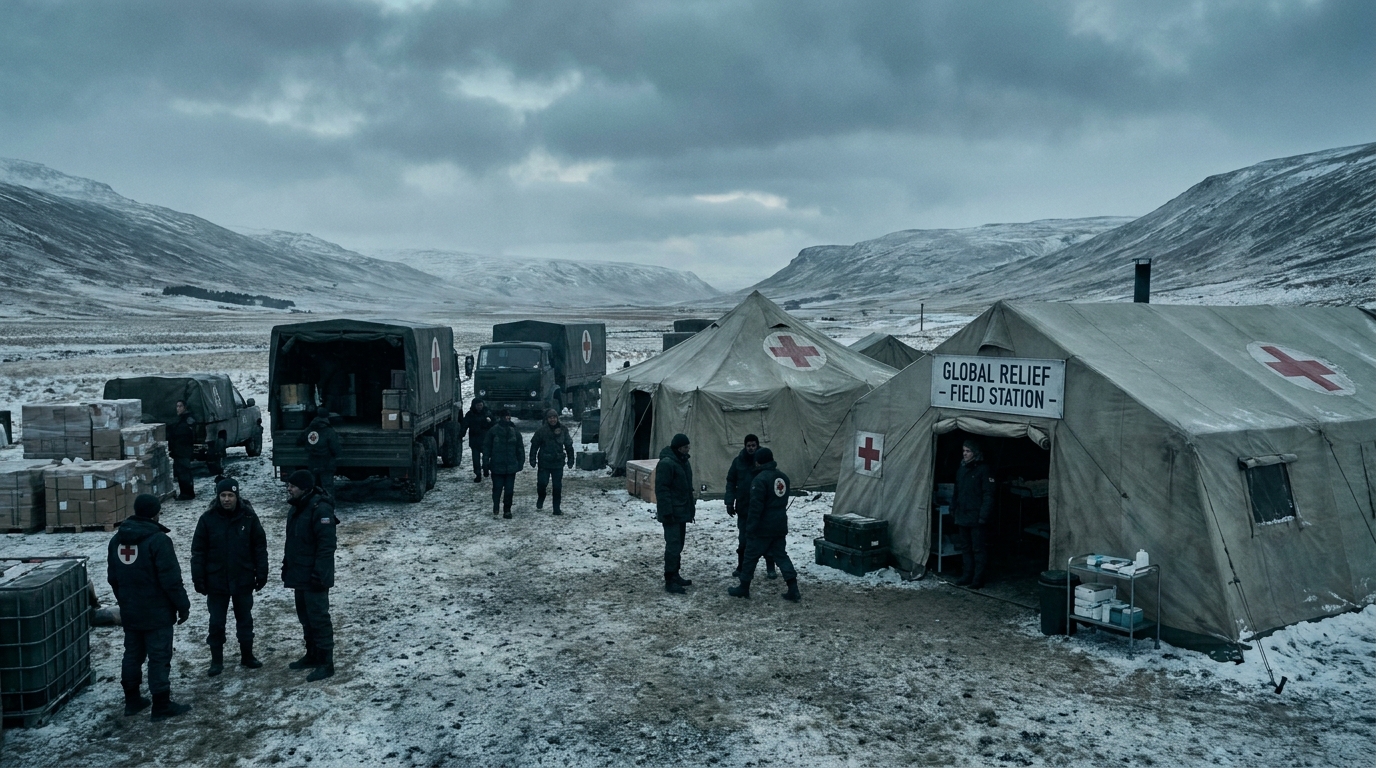
What's the Difference Between a Food Bank, a Relief Organization, and a Development NGO?
Awareness
Food banks collect and distribute surplus food locally. Relief organizations respond rapidly to famines, disasters, and conflict zones with emergency food aid. Development NGOs focus...
Read More →
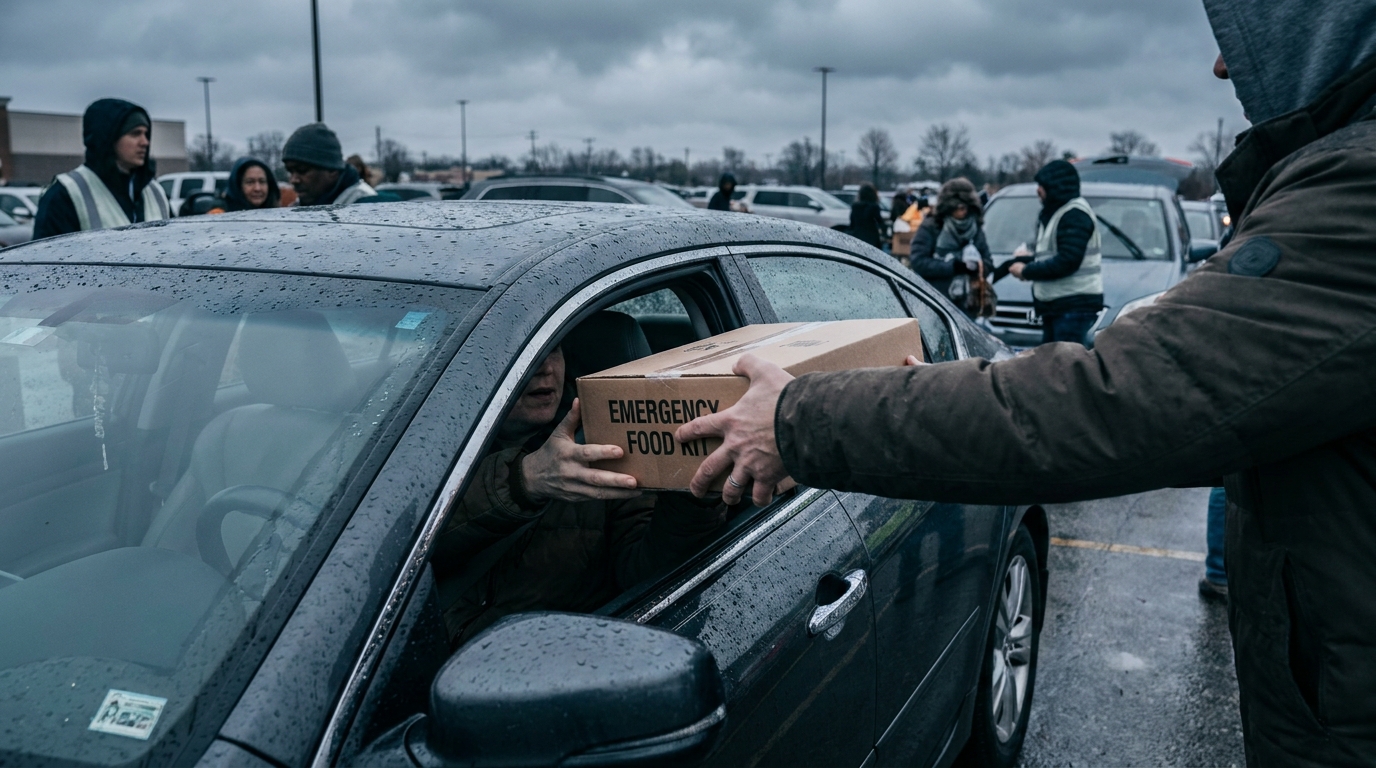
What's the Most Effective Way to Help Someone Experiencing Hunger Right Now?
Solutions
The fastest ways to help someone experiencing hunger today: donate to a vetted hunger relief organization with active emergency programs, contact your local food bank...
Read More →
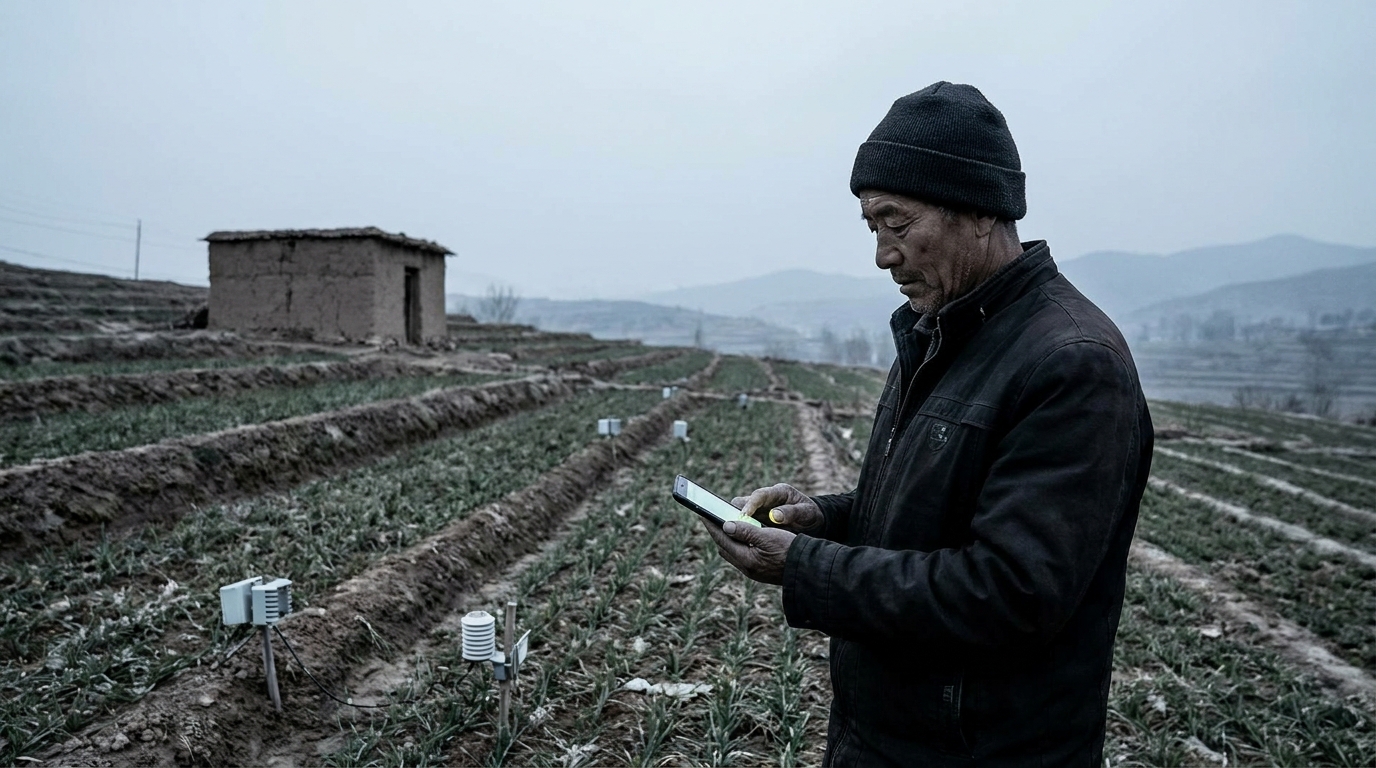
Why Agricultural Technology Is the Most Underrated Tool in Fighting World Hunger
Solutions
Drought-resistant seed varieties, low-cost drip irrigation, mobile crop monitoring tools, and regenerative soil techniques are transforming food production in the world's most hunger-prone regions. These...
Read More →

Why Are People Still Starving When the World Produces Enough Food for Everyone?
Stats
The world wastes roughly one-third of all food produced while 735 million people go hungry—not because food doesn't exist, but because broken supply chains, political...
Read More →
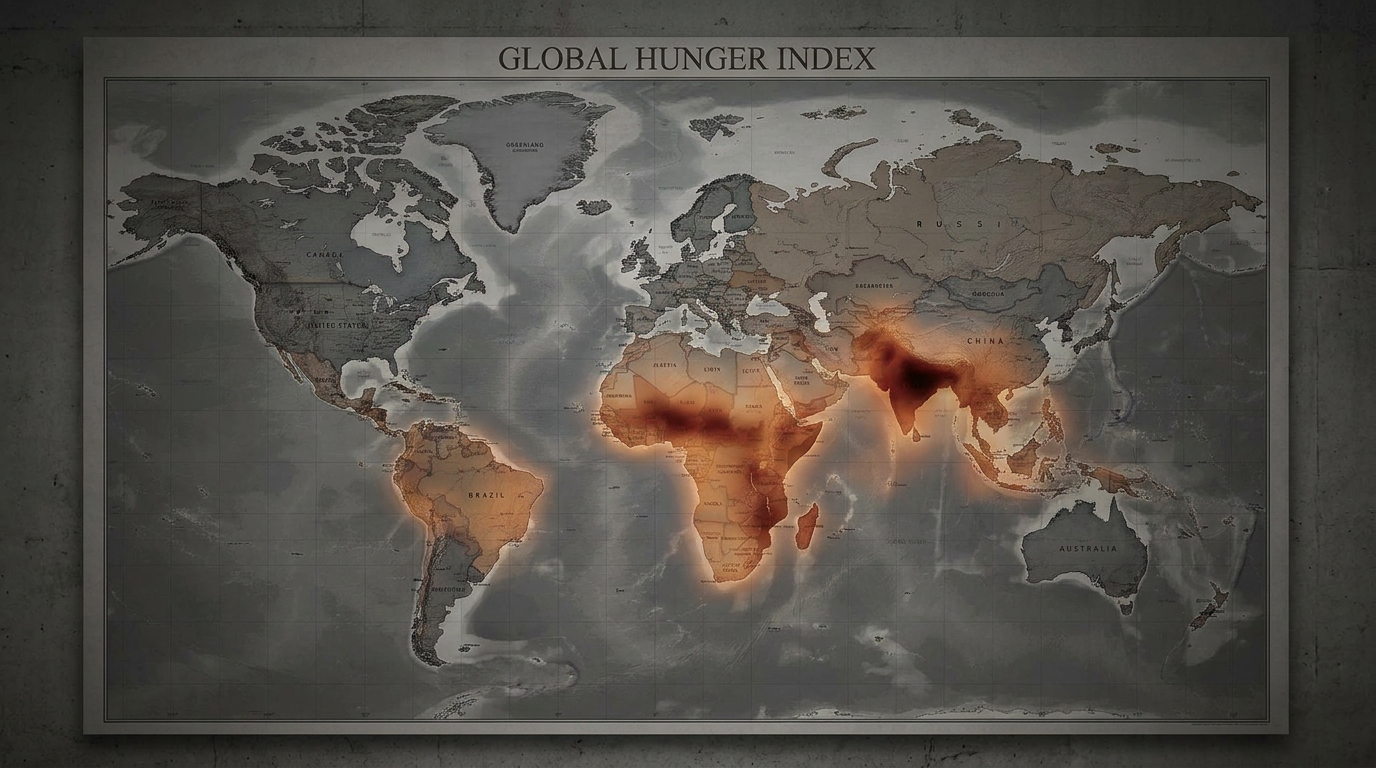
Why Is Hunger So Much Worse in Some Countries Than Others?
Stats
Hunger concentrates where multiple crises intersect: political instability, geographic vulnerability to drought or flooding, extreme poverty, lack of agricultural infrastructure, and absence of social safety...
Read More →
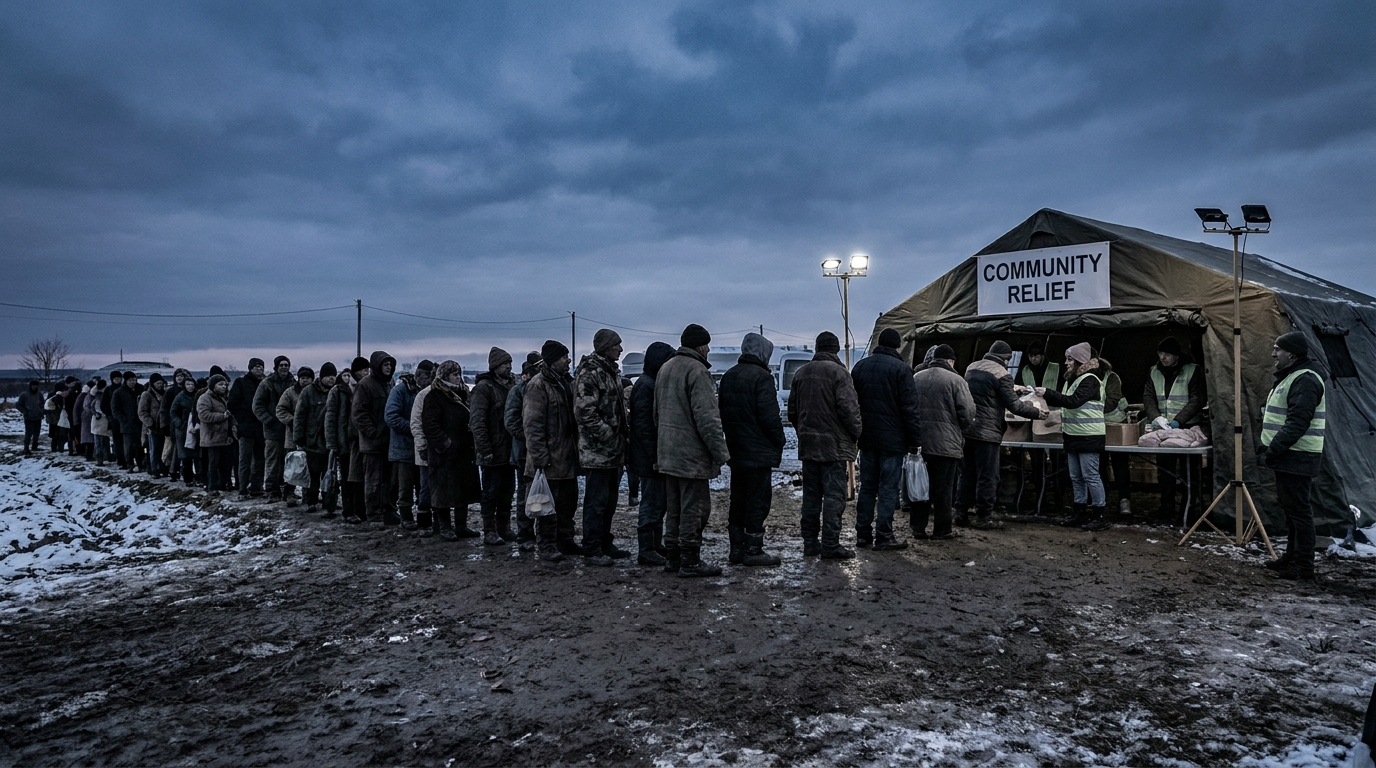
Why the World Hunger Crisis Is Getting Worse—and What That Means for All of Us
Stats
Global hunger has risen sharply since 2019—driven by COVID-19 economic devastation, escalating armed conflicts in Sudan and Gaza, accelerating climate shocks, and record inflation in...
Read More →
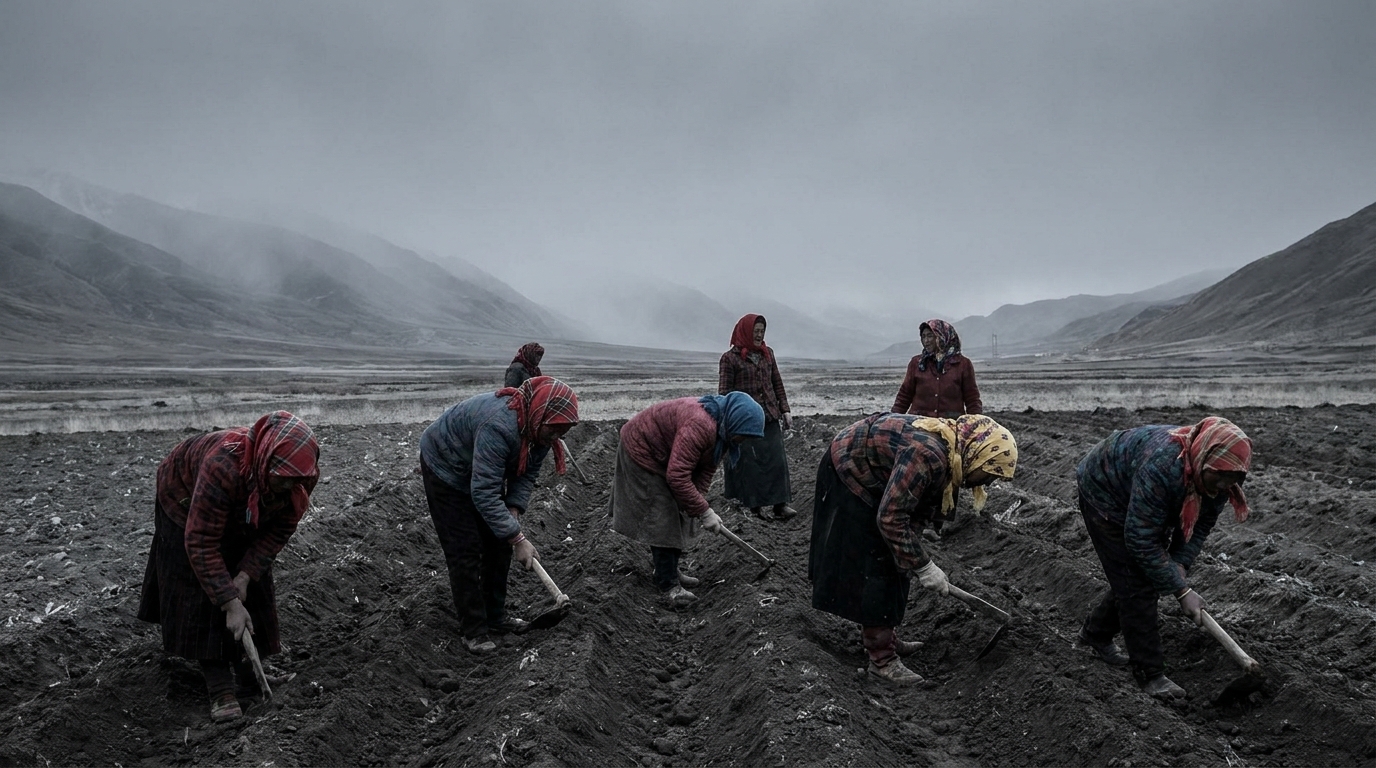
Women Empowerment Programs That Simultaneously Reduce Hunger and Poverty in Rural Areas
Solutions
Research consistently shows that when women farmers have equal access to land, education, credit, and training, agricultural yields increase by up to 30% and...
Read More →
Our articles are written by our team and cover the latest news regarding the topic at hand. Thank you for your interest in making a difference!
Change Your World
World Hunger Fund has projects throughout the world targeting some of the areas most affected by starvation and poverty. Together, we can #Makeadifference . Will you sponsor a project today?
