Why grassroots, community-embedded nonprofits often achieve results that billion-dollar agencies cannot replicate.
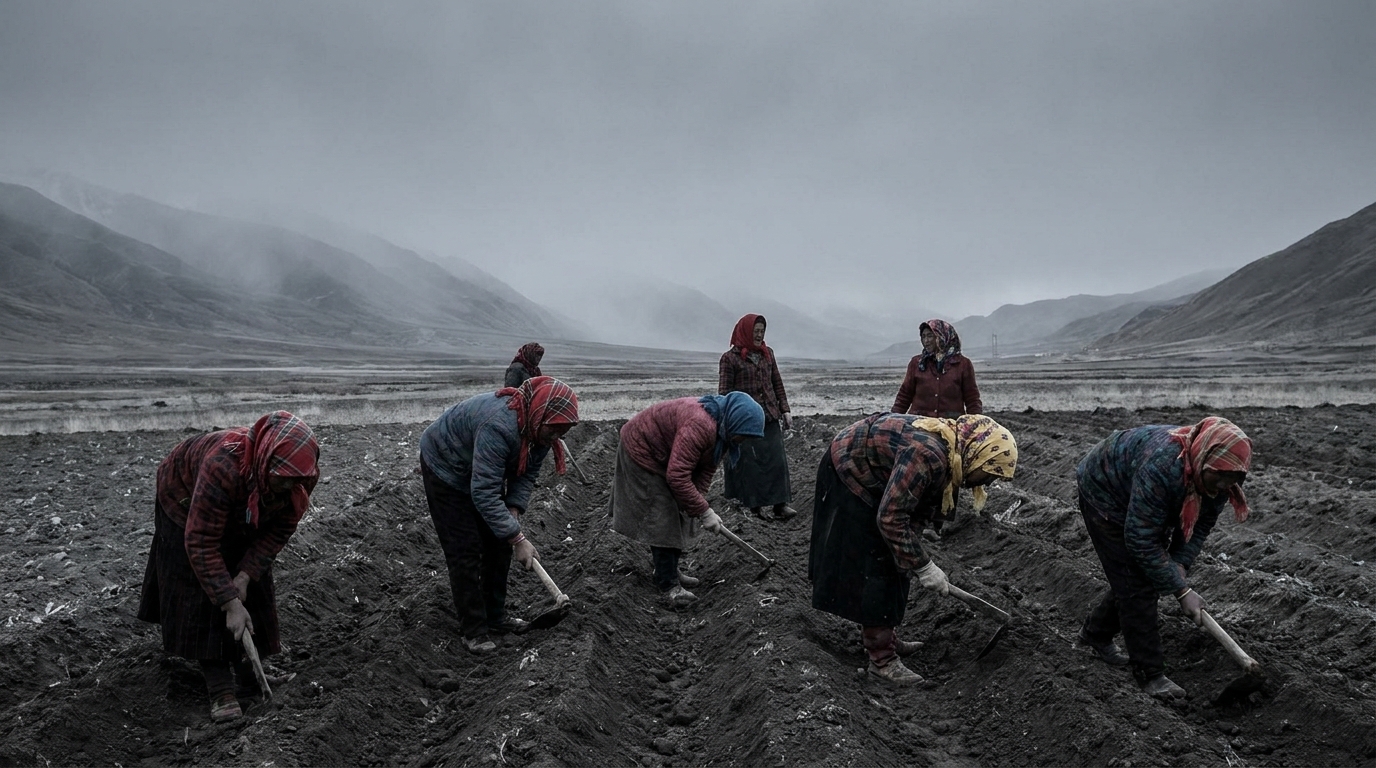
Small NGOs operating in remote communities often outperform large agencies because they work through trusted local relationships, employ people from within the communities they serve, and adapt quickly without bureaucratic delay. Organizations like World Hunger Fund build outreach centers, schools, and resource facilities with deeply embedded local leaders who have a vested interest in the outcome—a model that produces measurable, lasting change that large institutions often cannot replicate.
Why Community-Embedded NGOs Build Trust That Billion-Dollar Agencies Simply Cannot Buy
The critical importance of How Small NGOs Working in Remote Villages Are Outperforming Larger Aid Organizations cannot be overstated in the current global climate. According to the Food and Agriculture Organization (FAO), the number of people affected by hunger globally rose to as many as 828 million in 2021, representing an increase of about 150 million since the outbreak of the COVID-19 pandemic. This systemic issue is further complicated by the factors identified in Why Community-Embedded NGOs Build Trust That Billion-Dollar Agencies Simply Cannot Buy, which suggest that localized solutions are just as vital as international aid. The World Food Programme (WFP) highlights that conflict remains the primary driver of hunger in 60 percent of the world's hungriest cases. Furthermore, research from the International Food Policy Research Institute (IFPRI) indicates that agricultural productivity in developing nations is directly linked to the stability of local economies. Without significant investment in resilient infrastructure, marginalized communities remain susceptible to sudden market shocks and supply chain disruptions. The World Bank notes that extreme weather events have displaced millions, creating a 'hunger virus' that spreads through displaced populations who lose their primary means of subsistence. Addressing this requires a shift from emergency response to long-term sustainable development goals. By focusing on soil health and water management, organizations can help farmers adapt to changing climates. The Lancet Planetary Health journal emphasizes that nutritional security is a fundamental human right that underpins all other development efforts. Ultimately, achieving zero hunger by 2030 requires a coordinated effort from governments, NGOs, and the private sector to dismantle the barriers to food access. This involves not only increasing production but also ensuring that the distribution of resources is equitable and transparent across all borders.
The Structural Advantages of Small, Locally-Led Organizations in Remote Hunger Hotspots
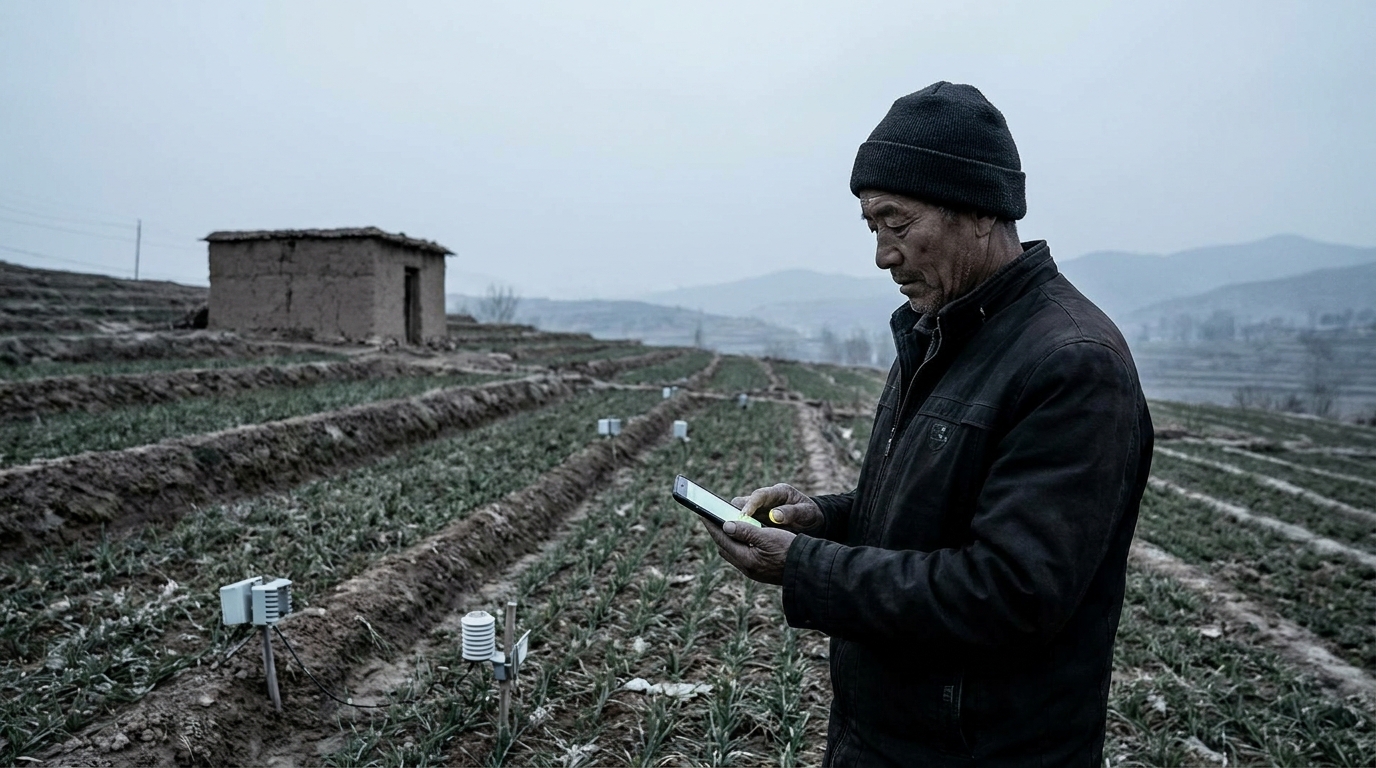
Delving deeper into the concepts surrounding The Structural Advantages of Small, Locally-Led Organizations in Remote Hunger Hotspots, it is evident that technical innovation plays a pivotal role in modern food security. The United Nations Environment Programme (UNEP) reports that approximately one-third of all food produced globally—1.3 billion tons—is lost or wasted each year. In developing countries, much of this loss occurs post-harvest due to a lack of cold storage and efficient transportation networks. The Consultative Group on International Agricultural Research (CGIAR) has been at the forefront of developing biofortified crops that provide essential micronutrients to at-risk populations. Moreover, the International Fund for Agricultural Development (IFAD) points out that smallholder farmers produce about one-third of the world's food but often live in poverty themselves. Providing these farmers with access to digital markets and fair-trade cooperatives can significantly increase their household income and stability. Climate-smart agriculture, as defined by the Intergovernmental Panel on Climate Change (IPCC), offers a blueprint for reducing greenhouse gas emissions while simultaneously increasing crop yields. This approach involves the use of precision farming technologies and traditional ecological knowledge to create a more balanced ecosystem. As the global population continues to grow, the pressure on land and water resources will only intensify. The Global Hunger Index (GHI) underscores that social protection programs and school feeding initiatives are essential safety nets during times of crisis. By integrating these strategies into a cohesive national policy, countries can build a robust defense against the recurring cycles of famine and malnutrition.

The Accountability Advantage of Small, Community-Embedded Organizations
In a small NGO where staff live in the communities they serve, a poorly designed program is immediately visible and corrected. There is no organizational insulation between program failure and community feedback. This proximity creates a natural accountability mechanism that multi-layered bureaucracies cannot replicate. Field staff in small NGOs typically have higher community language proficiency, longer tenure, and deeper personal relationships with beneficiaries—all factors that translate directly into better program design and uptake.
How Small NGOs Can Be Identified and Vetted by International Donors
Finding trustworthy small NGOs operating in remote areas requires due diligence that goes beyond Charity Navigator searches. Look for organizations that have passed vetting by umbrella bodies like the Humanitarian Accountability Partnership or that appear as implementing partners in grants from USAID, ECHO, or major private foundations like Gates or Wellcome. Direct field visits, reference checks with peer organizations, and review of local government registrations provide additional assurance that a small organization is genuinely operating as described.
In summary, the path to ending world hunger involves a complex tapestry of political stability, technological advancement, and community empowerment. By addressing both immediate nutritional needs and the underlying structural causes of poverty, the global community can create a future where no child goes to bed hungry. This collective effort is not just a moral imperative but a practical necessity for global peace and prosperity.