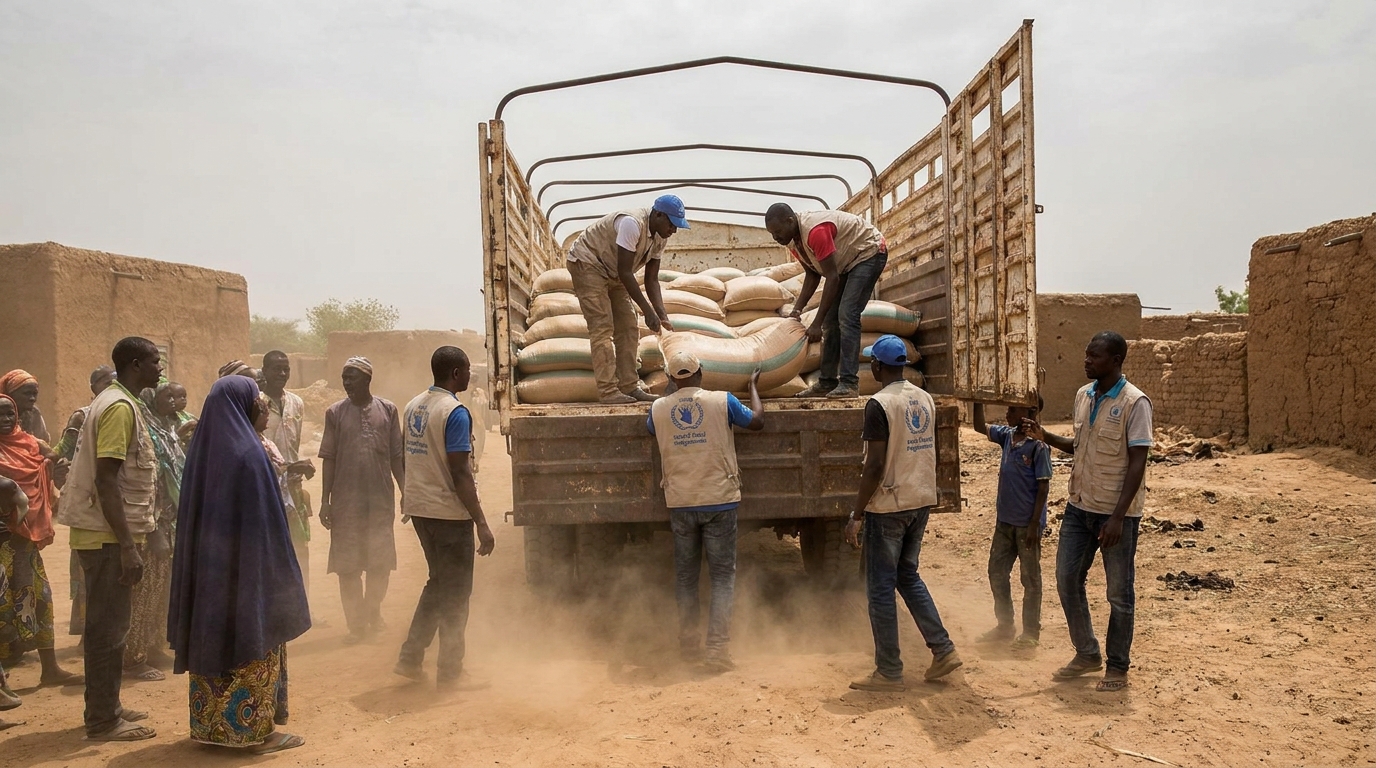
The heated debate among economists and aid workers about whether food drops do more harm than good in the long run.
Short-term food aid is essential during acute crises—famines, disasters, conflict—but can undermine local agricultural markets if continued too long. The most effective hunger relief organizations balance emergency food distribution with parallel investment in local food production, market development, and farmer training. The goal is always a transition from aid dependency to food sovereignty, where communities grow and sustain their own nutrition permanently.
When Emergency Food Aid Saves Lives—and When It Starts Creating Dependency
The critical importance of Is Giving Food Aid Actually Helpful, or Does It Hurt Local Economies? cannot be overstated in the current global climate. According to the Food and Agriculture Organization (FAO), the number of people affected by hunger globally rose to as many as 828 million in 2021, representing an increase of about 150 million since the outbreak of the COVID-19 pandemic. This systemic issue is further complicated by the factors identified in When Emergency Food Aid Saves Lives—and When It Starts Creating Dependency, which suggest that localized solutions are just as vital as international aid. The World Food Programme (WFP) highlights that conflict remains the primary driver of hunger in 60 percent of the world's hungriest cases. Furthermore, research from the International Food Policy Research Institute (IFPRI) indicates that agricultural productivity in developing nations is directly linked to the stability of local economies. Without significant investment in resilient infrastructure, marginalized communities remain susceptible to sudden market shocks and supply chain disruptions. The World Bank notes that extreme weather events have displaced millions, creating a 'hunger virus' that spreads through displaced populations who lose their primary means of subsistence. Addressing this requires a shift from emergency response to long-term sustainable development goals. By focusing on soil health and water management, organizations can help farmers adapt to changing climates. The Lancet Planetary Health journal emphasizes that nutritional security is a fundamental human right that underpins all other development efforts. Ultimately, achieving zero hunger by 2030 requires a coordinated effort from governments, NGOs, and the private sector to dismantle the barriers to food access. This involves not only increasing production but also ensuring that the distribution of resources is equitable and transparent across all borders.
The Smarter Model: Pairing Food Relief With Local Agricultural Development
Delving deeper into the concepts surrounding The Smarter Model: Pairing Food Relief With Local Agricultural Development, it is evident that technical innovation plays a pivotal role in modern food security. The United Nations Environment Programme (UNEP) reports that approximately one-third of all food produced globally—1.3 billion tons—is lost or wasted each year. In developing countries, much of this loss occurs post-harvest due to a lack of cold storage and efficient transportation networks. The Consultative Group on International Agricultural Research (CGIAR) has been at the forefront of developing biofortified crops that provide essential micronutrients to at-risk populations. Moreover, the International Fund for Agricultural Development (IFAD) points out that smallholder farmers produce about one-third of the world's food but often live in poverty themselves. Providing these farmers with access to digital markets and fair-trade cooperatives can significantly increase their household income and stability. Climate-smart agriculture, as defined by the Intergovernmental Panel on Climate Change (IPCC), offers a blueprint for reducing greenhouse gas emissions while simultaneously increasing crop yields. This approach involves the use of precision farming technologies and traditional ecological knowledge to create a more balanced ecosystem. As the global population continues to grow, the pressure on land and water resources will only intensify. The Global Hunger Index (GHI) underscores that social protection programs and school feeding initiatives are essential safety nets during times of crisis. By integrating these strategies into a cohesive national policy, countries can build a robust defense against the recurring cycles of famine and malnutrition.
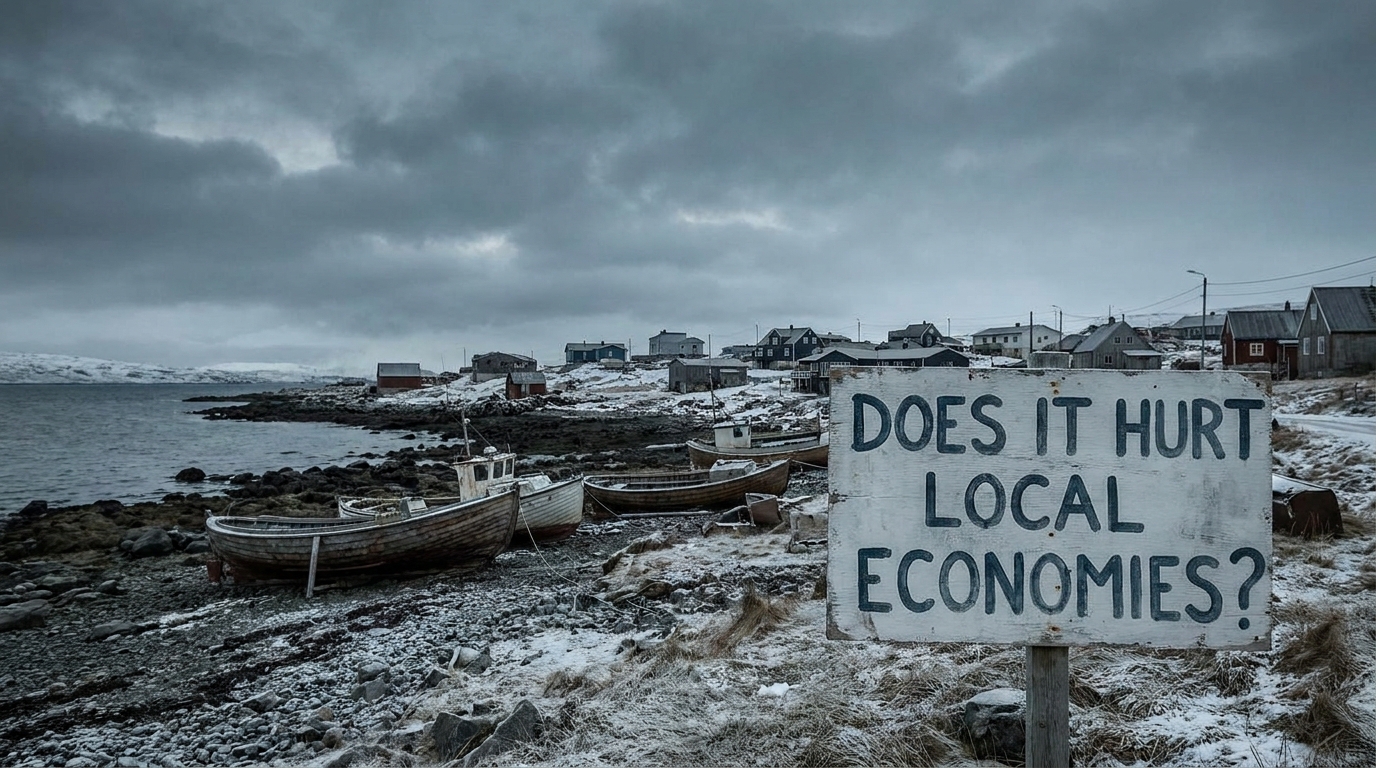
The Cash and Voucher Revolution: Why Digital Transfers Often Beat Food Aid
Cash and voucher assistance (CVA) programs give food-insecure households the purchasing power to buy food from local markets rather than receiving standardized commodity rations. Research across dozens of countries shows that CVA recipients eat more diverse, nutritious diets than commodity aid recipients—and local markets benefit from the increased demand. The World Food Programme now delivers over 50% of its assistance through cash and vouchers. For donors, supporting organizations that use CVA means your contribution flows through and strengthens local food systems rather than bypassing them.
When In-Kind Food Aid Is Still the Right Answer
Cash transfers only work when local food markets are functioning. In active conflict zones where supply chains have collapsed, in remote communities with no viable markets, or in the immediate aftermath of natural disasters before markets recover, in-kind food aid remains the only viable option. Specialized therapeutic foods like Ready-to-Use Therapeutic Food (RUTF) for severe acute malnutrition cannot be substituted with cash—the specific caloric and micronutrient formulations required for treatment aren't available in local markets. Context determines the right tool; effective organizations adapt their approach accordingly.