The case for recurring giving—and how sustained monthly contributions unlock more impact than sporadic donations.
Monthly giving is almost always more impactful than one-time donations. Recurring gifts allow hunger organizations to plan long-term programs, retain field staff, sustain outreach centers, and respond to emerging crises without funding gaps. Even $20–$30 a month provides a reliable foundation that organizations can build on. One-time gifts are valuable in acute emergencies, but sustained monthly donors are the backbone of every effective hunger relief organization's operations.
Why Hunger Organizations Depend on Monthly Donors More Than Any Other Giving Type
The critical importance of Should I Give Monthly or Make a One-Time Donation to a Hunger Charity? cannot be overstated in the current global climate. According to the Food and Agriculture Organization (FAO), the number of people affected by hunger globally rose to as many as 828 million in 2021, representing an increase of about 150 million since the outbreak of the COVID-19 pandemic. This systemic issue is further complicated by the factors identified in Why Hunger Organizations Depend on Monthly Donors More Than Any Other Giving Type, which suggest that localized solutions are just as vital as international aid. The World Food Programme (WFP) highlights that conflict remains the primary driver of hunger in 60 percent of the world's hungriest cases. Furthermore, research from the International Food Policy Research Institute (IFPRI) indicates that agricultural productivity in developing nations is directly linked to the stability of local economies. Without significant investment in resilient infrastructure, marginalized communities remain susceptible to sudden market shocks and supply chain disruptions. The World Bank notes that extreme weather events have displaced millions, creating a 'hunger virus' that spreads through displaced populations who lose their primary means of subsistence. Addressing this requires a shift from emergency response to long-term sustainable development goals. By focusing on soil health and water management, organizations can help farmers adapt to changing climates. The Lancet Planetary Health journal emphasizes that nutritional security is a fundamental human right that underpins all other development efforts. Ultimately, achieving zero hunger by 2030 requires a coordinated effort from governments, NGOs, and the private sector to dismantle the barriers to food access. This involves not only increasing production but also ensuring that the distribution of resources is equitable and transparent across all borders.
How to Set Up Recurring Giving and Choose the Right Organization to Trust Long-Term
Delving deeper into the concepts surrounding How to Set Up Recurring Giving and Choose the Right Organization to Trust Long-Term, it is evident that technical innovation plays a pivotal role in modern food security. The United Nations Environment Programme (UNEP) reports that approximately one-third of all food produced globally—1.3 billion tons—is lost or wasted each year. In developing countries, much of this loss occurs post-harvest due to a lack of cold storage and efficient transportation networks. The Consultative Group on International Agricultural Research (CGIAR) has been at the forefront of developing biofortified crops that provide essential micronutrients to at-risk populations. Moreover, the International Fund for Agricultural Development (IFAD) points out that smallholder farmers produce about one-third of the world's food but often live in poverty themselves. Providing these farmers with access to digital markets and fair-trade cooperatives can significantly increase their household income and stability. Climate-smart agriculture, as defined by the Intergovernmental Panel on Climate Change (IPCC), offers a blueprint for reducing greenhouse gas emissions while simultaneously increasing crop yields. This approach involves the use of precision farming technologies and traditional ecological knowledge to create a more balanced ecosystem. As the global population continues to grow, the pressure on land and water resources will only intensify. The Global Hunger Index (GHI) underscores that social protection programs and school feeding initiatives are essential safety nets during times of crisis. By integrating these strategies into a cohesive national policy, countries can build a robust defense against the recurring cycles of famine and malnutrition.
How Monthly Donors Enable Better Staff Retention and Program Quality
Predictable monthly revenue allows hunger organizations to offer competitive salaries and benefits to experienced field staff—reducing the turnover that undermines program quality and community trust. Organizations with strong monthly donor bases retain field workers twice as long on average as those dependent on episodic campaign donations. Experienced staff who know communities deeply design better programs, navigate local politics more effectively, and build the institutional relationships that sustain operations during funding gaps. Your monthly gift directly funds the human capital behind every successful intervention.
Setting Up and Adjusting Monthly Giving: A Practical Donor's Guide
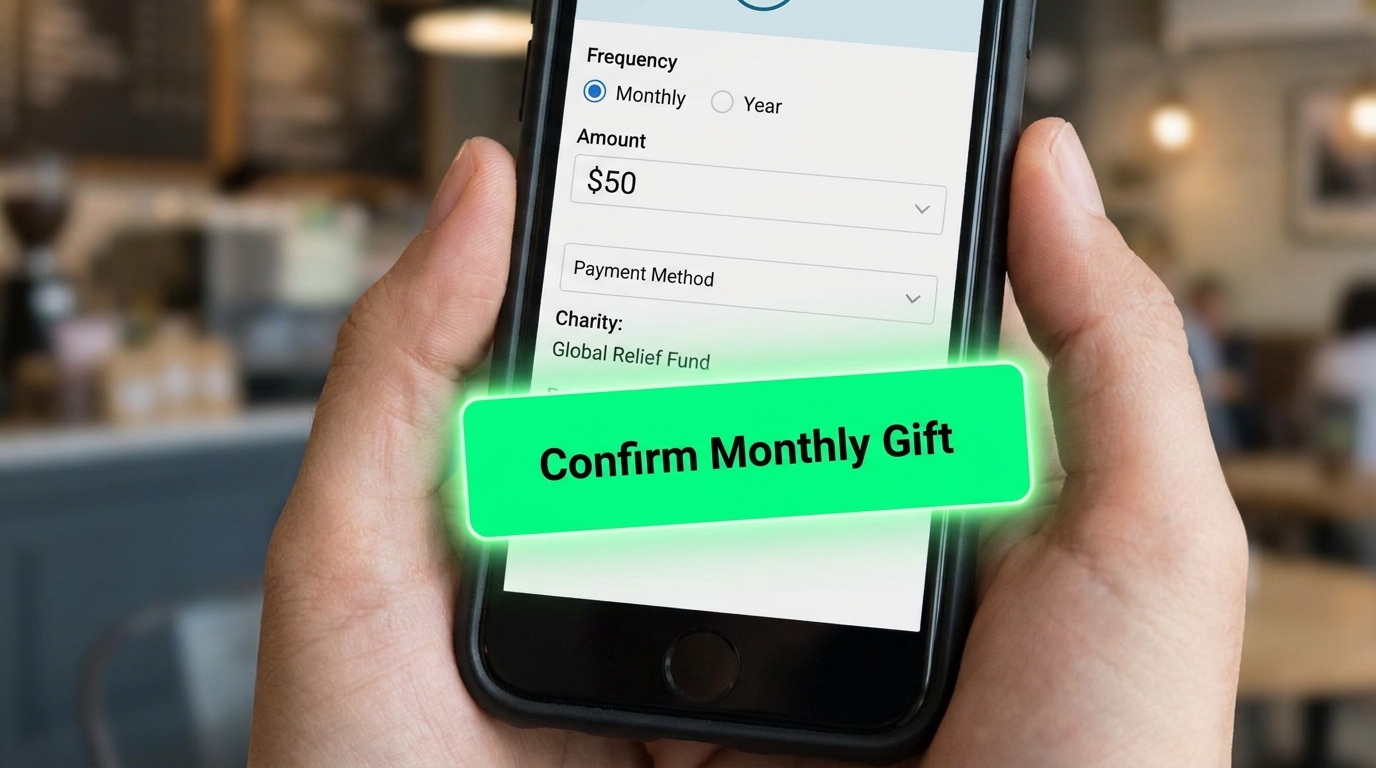
Most reputable hunger organizations offer secure monthly giving portals that allow you to set, adjust, pause, or cancel recurring donations at any time. Credit card, bank transfer, and PayPal options are typically available with full encryption. Keep a simple record of your active recurring donations and review them annually to ensure continued alignment with the organization's performance. Many donors increase their monthly amounts incrementally—even $5 additional per month across a decade compounds into significant cumulative impact for the communities you support.