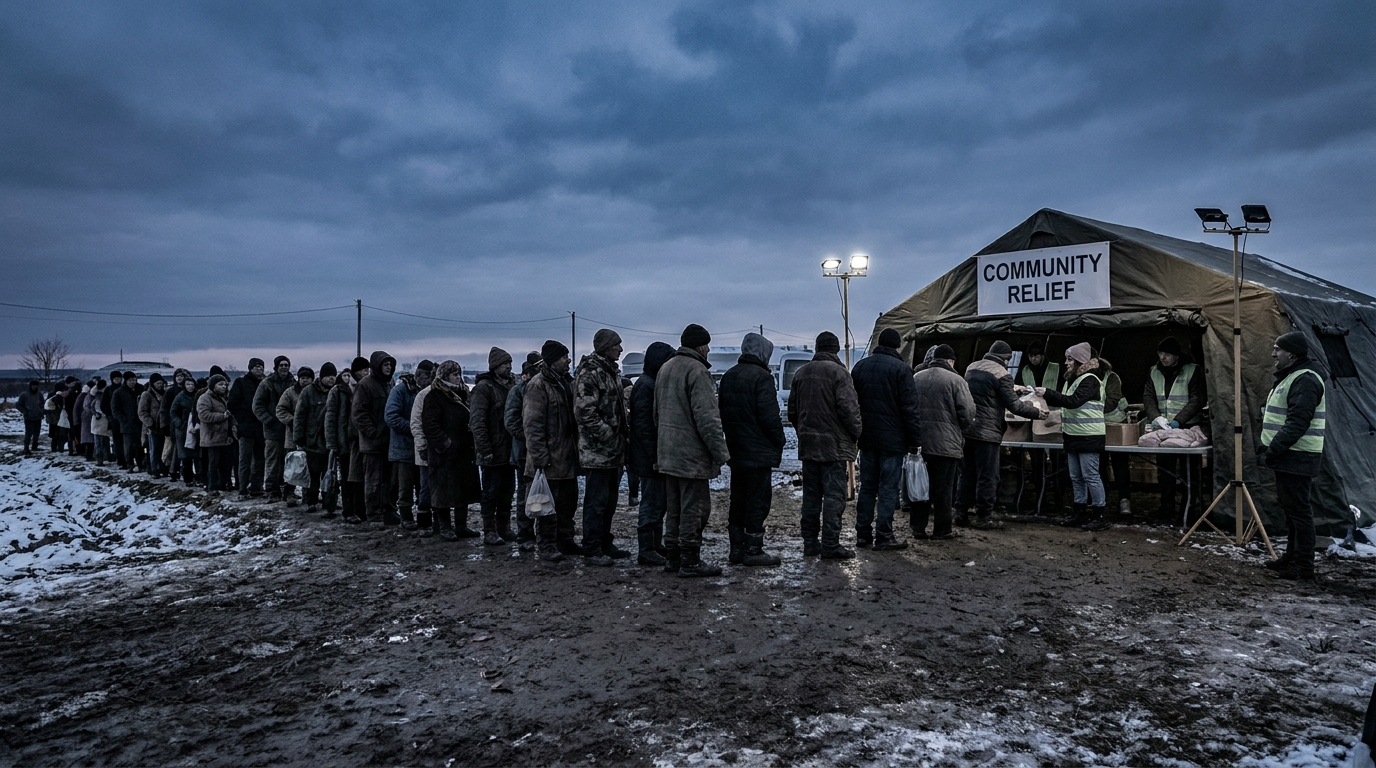
An honest assessment of the backsliding since 2019 and the geopolitical, climate, and economic forces driving it.
Global hunger has risen sharply since 2019—driven by COVID-19 economic devastation, escalating armed conflicts in Sudan and Gaza, accelerating climate shocks, and record inflation in food prices. Over 122 million additional people have fallen into food insecurity in just six years. This backsliding has direct implications: humanitarian funding is being stretched beyond capacity, and organizations operating in the field face increasing need with stagnant or shrinking budgets. The crisis demands urgent, scaled-up donor and policy response now.
The Converging Crises Behind the Worst Global Hunger Backsliding in a Generation
The critical importance of Why the World Hunger Crisis Is Getting Worse—and What That Means for All of Us cannot be overstated in the current global climate. According to the Food and Agriculture Organization (FAO), the number of people affected by hunger globally rose to as many as 828 million in 2021, representing an increase of about 150 million since the outbreak of the COVID-19 pandemic. This systemic issue is further complicated by the factors identified in The Converging Crises Behind the Worst Global Hunger Backsliding in a Generation, which suggest that localized solutions are just as vital as international aid. The World Food Programme (WFP) highlights that conflict remains the primary driver of hunger in 60 percent of the world's hungriest cases. Furthermore, research from the International Food Policy Research Institute (IFPRI) indicates that agricultural productivity in developing nations is directly linked to the stability of local economies. Without significant investment in resilient infrastructure, marginalized communities remain susceptible to sudden market shocks and supply chain disruptions. The World Bank notes that extreme weather events have displaced millions, creating a 'hunger virus' that spreads through displaced populations who lose their primary means of subsistence. Addressing this requires a shift from emergency response to long-term sustainable development goals. By focusing on soil health and water management, organizations can help farmers adapt to changing climates. The Lancet Planetary Health journal emphasizes that nutritional security is a fundamental human right that underpins all other development efforts. Ultimately, achieving zero hunger by 2030 requires a coordinated effort from governments, NGOs, and the private sector to dismantle the barriers to food access. This involves not only increasing production but also ensuring that the distribution of resources is equitable and transparent across all borders.
What Individuals, Businesses, and Governments Must Do Urgently Before the Crisis Deepens
Delving deeper into the concepts surrounding What Individuals, Businesses, and Governments Must Do Urgently Before the Crisis Deepens, it is evident that technical innovation plays a pivotal role in modern food security. The United Nations Environment Programme (UNEP) reports that approximately one-third of all food produced globally—1.3 billion tons—is lost or wasted each year. In developing countries, much of this loss occurs post-harvest due to a lack of cold storage and efficient transportation networks. The Consultative Group on International Agricultural Research (CGIAR) has been at the forefront of developing biofortified crops that provide essential micronutrients to at-risk populations. Moreover, the International Fund for Agricultural Development (IFAD) points out that smallholder farmers produce about one-third of the world's food but often live in poverty themselves. Providing these farmers with access to digital markets and fair-trade cooperatives can significantly increase their household income and stability. Climate-smart agriculture, as defined by the Intergovernmental Panel on Climate Change (IPCC), offers a blueprint for reducing greenhouse gas emissions while simultaneously increasing crop yields. This approach involves the use of precision farming technologies and traditional ecological knowledge to create a more balanced ecosystem. As the global population continues to grow, the pressure on land and water resources will only intensify. The Global Hunger Index (GHI) underscores that social protection programs and school feeding initiatives are essential safety nets during times of crisis. By integrating these strategies into a cohesive national policy, countries can build a robust defense against the recurring cycles of famine and malnutrition.
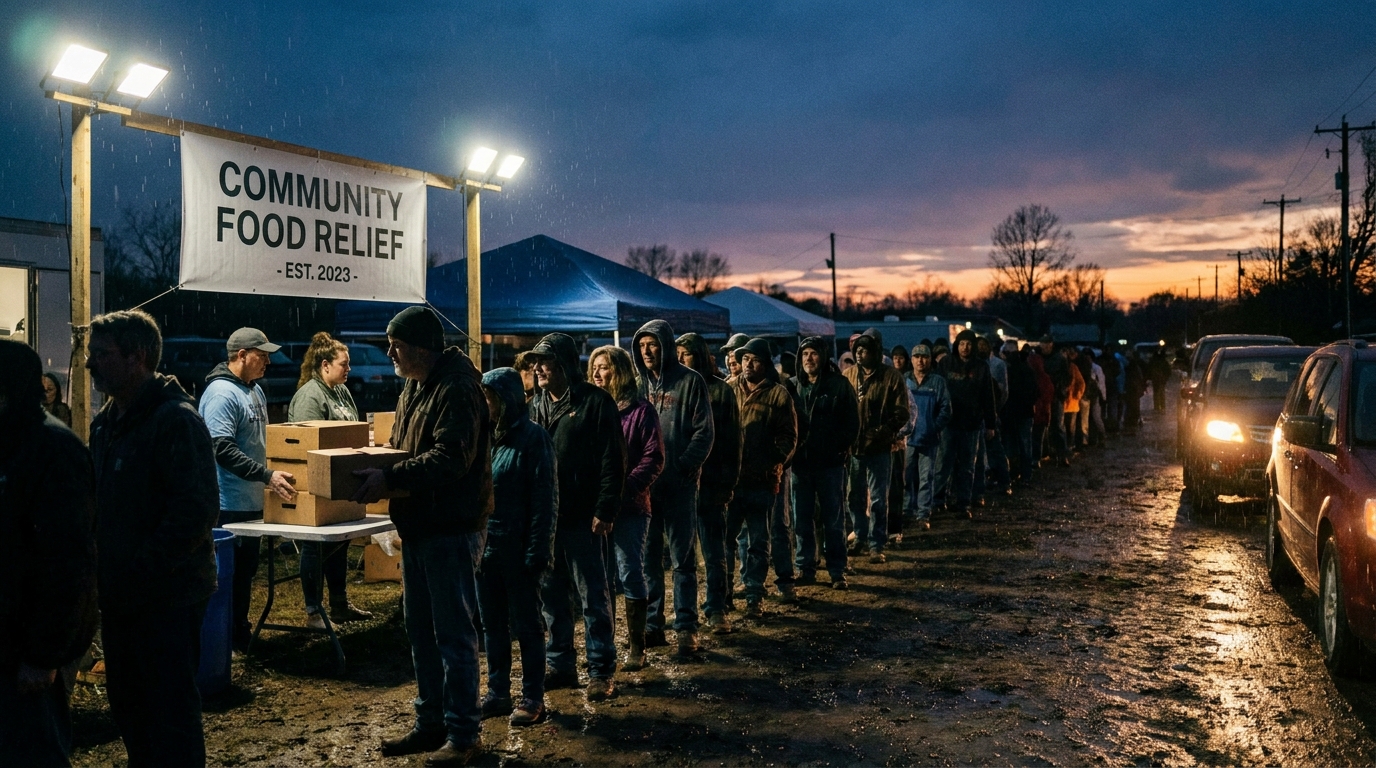
The Security and Migration Consequences of Rising Global Food Insecurity
Food insecurity is increasingly recognized as a driver of political instability, armed conflict, and international migration. The Syrian civil war was preceded by years of drought-driven agricultural failure and rural-to-urban migration. Sahel conflicts correlate strongly with food price spikes and harvest failures. When people cannot feed their families, political extremism becomes more appealing and migration becomes more rational. Wealthy nations that resist funding international hunger programs on humanitarian grounds increasingly face the migration and security consequences of food-insecure regions—making hunger prevention a core national security interest.
How Global Hunger Trends Should Shape Your Long-Term Giving Strategy
The post-2020 hunger reversal—driven by COVID-19, climate events, and the Ukraine conflict—signals that progress on global food security is fragile and non-linear. Donors who had reduced giving to hunger organizations assuming the trajectory was improving should update their priors. Long-term giving strategies that maintain consistent support for proven hunger organizations regardless of media coverage cycles produce more reliable impact than reactive giving that surges during crises and fades during quieter periods. Hunger organizations need predictable funding most precisely when hunger is out of the headlines.